

You wouldn’t leave your company’s bank statements on a park bench, would you? Yet many organizations treat hiring data—packed with Social Security numbers, medical information, and personal histories—with far less care than they give their financial records.
Here’s the reality: your hiring data is just as valuable and vulnerable as your balance sheets. In today’s data-driven world, a single breach can cost you millions in fines, destroy candidate trust, and tarnish your employer brand overnight. The comparison between hiring data and financial records isn’t just clever—it’s critical for organizational accountability and data privacy.
Mishandling hiring data invites identity theft, regulatory penalties, and lawsuits. Treating it with financial-level rigor? You build trust, ensure compliance, and protect your organization from catastrophic risks. This is where SageScreen comes in. We help you safeguard your hiring data with the same precision accountants apply to financial audits—seamlessly, securely, and without the headaches.
Our approach involves utilizing advanced decision scorecards that allow for more informed hiring decisions while maintaining strict data privacy standards. Furthermore, our SME expertise ensures that we provide tailored solutions to meet the unique needs of your organization.
In an era where entropy AI is becoming increasingly prevalent in recruitment processes, we emphasize the importance of having a well-designed system to prevent chaos in hiring practices. Our resources also include comprehensive guides on how to handle hiring data responsibly and effectively.
As we look towards the future of recruitment, it’s clear that recruiting agencies will undergo significant transformation by 2025. Lean screening expertise will be crucial in this transition, ensuring that hiring data is handled with the utmost care and precision.
The Hidden Treasure: Why Hiring Data is as Valuable as Financial Records
Think of your hiring database as a vault filled with gold coins—each piece of sensitive information represents tangible value that criminals would love to steal. Your hiring data contains some of the most coveted personally identifiable information (PII) available:
- Social Security numbers that unlock someone’s entire financial identity
- Medical records and disability information protected under HIPAA
- Employment history revealing salary expectations and career trajectories
- Background check results containing criminal records and credit reports
- Driver’s license numbers and other government-issued identification
- Contact information for candidates and their references
The hiring data value extends beyond what you might initially realize. A single candidate file can contain enough information to commit identity theft, open fraudulent credit accounts, or file fake tax returns. On the dark web, complete identity packages sell for hundreds of dollars—and you’re holding dozens, hundreds, or thousands of these packages in your applicant tracking system.
When you neglect this treasure chest, you’re essentially leaving your vault door wide open. Data breaches targeting hiring records have exposed millions of candidates to identity theft. The 2017 Equifax breach, which compromised background check data, affected 147 million people. Your candidates trusted you with their most sensitive information—treating it carelessly doesn’t just risk legal penalties; it betrays that trust and can destroy lives through financial fraud.
To prevent such scenarios, it’s vital to implement robust hybrid processes for handling sensitive hiring data. This includes following a detailed step-by-step guide on securing personal information and conducting thorough background checks without compromising privacy.
Moreover, utilizing advanced features from reliable platforms can enhance your data protection measures. These features are designed to safeguard sensitive information while providing comprehensive insights into a candidate’s background.
Remember, treating your hiring data with the utmost care is not just about avoiding legal repercussions—it’s about honoring the trust your candidates place in you.
Privacy and Confidentiality: Guarding the Vault Doors
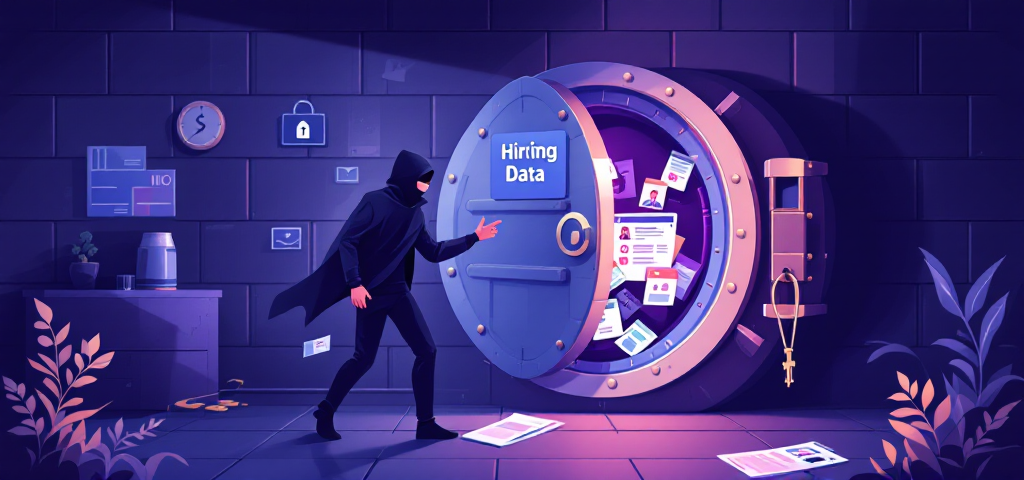
You wouldn’t leave your company’s bank account password on a sticky note by the front desk, right? The same logic applies to data privacy and confidentiality in your hiring process. Protecting Personally Identifiable Information (PII) isn’t just good manners—it’s a legal requirement that can make or break your organization.
Think of your hiring database as a digital piggy bank stuffed with candidate information. Cybercriminals are constantly rattling the lock, looking for weak spots to exploit. One successful breach means unauthorized access to Social Security numbers, medical records, and financial details—a hacker’s jackpot that can fuel identity theft for years.
Your hiring data deserves the same security fortress you’ve built around financial records:
- Encryption protocols that scramble data into unreadable code
- Access control systems limiting who can view sensitive information
- Multi-factor authentication adding extra locks to your vault doors
- Regular security audits checking for cracks in your defenses
The stakes are identical to protecting your balance sheets. A single data breach can cost you millions in fines, legal fees, and remediation efforts. You’re not just storing names and résumés—you’re holding the keys to people’s identities. Every candidate who submits an application trusts you to guard their personal information with the same vigilance you’d protect your company’s financial assets.
This is where SageScreen comes into play. With robust systems designed to ensure interview integrity, we help safeguard sensitive candidate information while streamlining the hiring process.
Moreover, our platform offers dynamic assessments that not only aid in evaluating candidates effectively but also uphold the highest standards of data privacy. We understand that every piece of data is crucial, whether it’s a resume or an assessment score.
In today’s digital age, ensuring language proficiency or any other skill set should not come at the cost of compromising personal information. With SageScreen’s solutions, you can focus on finding the right fit for your company without worrying about potential data breaches.
It’s essential to remember that every candidate’s application is more than just a collection of skills and experiences. It’s a trust placed in your hands—one that requires utmost diligence and respect towards their personal information.
Legal Labyrinths: Navigating Compliance Like a Pro Accountant
You know how financial professionals lose sleep over Sarbanes-Oxley compliance? That’s exactly the relationship you should have with hiring data regulations.
Understanding Key Regulations
Here are some key regulations you need to be aware of:
- GDPR: This regulation demands explicit consent before processing candidate data and grants individuals the right to erasure—imagine if your financial records could simply vanish on request. The penalties for non-compliance? Up to €20 million or 4% of global annual revenue, whichever makes your CFO faint harder.
- HIPAA: Protections under this law extend to medical information collected during pre-employment screenings. You’re handling this data with the same rigor as a hospital handles patient records, or you’re inviting fines up to $1.5 million per violation category annually.
- ADA compliance: This requires you to keep disability-related information separate from general hiring files. This segregation mirrors how accountants separate operational funds from restricted accounts—it’s not optional, it’s structural.
Navigating Employment Law Regulations
Employment law regulations vary by jurisdiction, creating a compliance maze that rivals international tax law. Here are some specific regulations you should be aware of:
- California’s CCPA
- New York’s SHIELD Act
- Dozens of state-specific requirements
These regulations mean you’re juggling multiple regulatory frameworks simultaneously.
The Importance of Understanding AI Legal Implications
In this context, understanding the legal implications of AI interviewing is crucial. As AI becomes more prevalent in recruitment processes, ensuring compliance with various legal standards is paramount. Additionally, being aware of the legal risks associated with AI interviews will help mitigate potential pitfalls.
Consequences of Non-Compliance
Non-compliance triggers a cascade of consequences:
- Legal penalties that dwarf typical business expenses
- Reputational damage that candidates share across Glassdoor and social media
- Audit nightmares where investigators scrutinize every hiring decision you’ve made
You’re not just avoiding fines—you’re protecting your organization’s ability to attract talent in an increasingly transparent marketplace.
Transparent Tally Sheets: Accountability & Audit Trails in Hiring Data Management

Think about how your finance team operates. Every transaction gets recorded, every decision documented, every dollar accounted for in meticulous detail. Your hiring data deserves the same treatment.
Transparency in recruitment isn’t just about being nice—it’s your shield against costly legal battles. When you maintain detailed audit trails of every hiring decision, you create an ironclad defense system. Document why you selected Candidate A over Candidate B. Record the specific qualifications that tipped the scales. Keep timestamped notes of interview feedback and assessment scores.
This level of accountability protects you when discrimination claims surface. Without proper documentation, you’re essentially asking a jury to trust your word against a plaintiff’s allegations. With comprehensive records? You’ve got evidence.
Your recruitment ledger should capture:
- Interview scorecards with specific, job-related criteria
- Communication logs with candidates
- Background check authorizations and results
- Salary negotiation details and justifications
- Rejection reasons tied to objective qualifications
Implementing tools like SageScreen can streamline this process, ensuring that all necessary documents are easily accessible and securely stored.
Recruitment fairness depends on this paper trail. When hiring managers know their decisions will be scrutinized—just like financial transactions during an audit—they make more objective choices. The mere existence of audit trails encourages better behavior, reducing unconscious bias before it creeps into your hiring process.
You wouldn’t let your accounting department operate without receipts. Don’t let your hiring team operate without documentation.
Risk Management: Protecting Your Hiring Data from Cybercriminals
Your hiring database contains exactly what cybercriminals dream about: complete identity profiles, Social Security numbers, financial information, and employment histories. On the dark web, this data sells for premium prices—a single complete identity record can fetch anywhere from $50 to $200. Multiply that by hundreds or thousands of candidates in your system, and you’re sitting on a treasure chest worth millions to the right (or wrong) buyer.
The Growing Threat of Cyberattacks
Cyberattacks targeting recruitment systems have surged by 65% in the past two years. Hackers know that HR departments often lack the robust security infrastructure that finance teams maintain, making hiring databases a softer target. The consequences of data breaches extend beyond immediate financial losses—you’re looking at regulatory fines, litigation costs, and irreparable damage to your employer brand.
Strategies for Effective Risk Mitigation
Effective risk mitigation demands multiple defensive layers:
- Encryption protocols that scramble data both at rest and in transit, rendering stolen information useless to attackers
- Staff training programs that teach your team to recognize phishing attempts and social engineering tactics
- Access controls limiting who can view sensitive candidate information based on role necessity
- Incident response plans outlining exact steps when a breach occurs, minimizing damage through swift action
Your cybersecurity strategies should mirror the vigilance your accounting department applies to financial systems. You wouldn’t leave your company’s bank account password on a sticky note—treat candidate SSNs with the same protective instinct.
Ethical Considerations: The Moral Compass Behind Hiring Data Handling
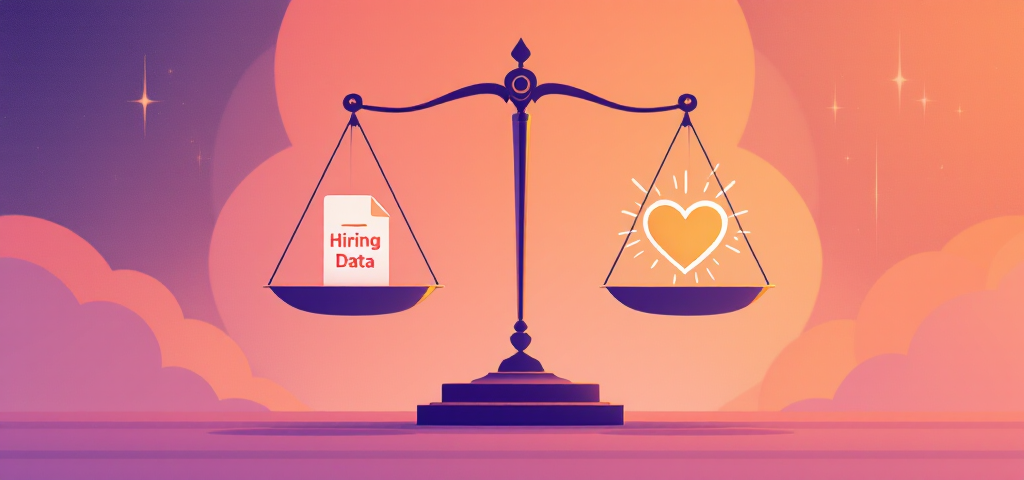
When it comes to handling candidate information, it’s crucial to look beyond checkboxes and compliance mandates. The ethical use of data in recruitment demands a deeper commitment—one that recognizes every applicant as a human being deserving respect, not just another data point in your system.
Respecting Candidate Privacy
Candidate privacy rights extend far beyond what regulations require. When someone submits their application, they’re placing trust in your organization. They’re sharing personal details, career aspirations, and sometimes vulnerabilities. You have a moral obligation to honor that trust, even when no one’s watching and no law explicitly demands it.
The Ethical Challenge of AI Screening Tools
AI screening tools present a particularly thorny ethical challenge. These systems can perpetuate historical biases, discriminating against candidates based on patterns hidden in training data. You might unknowingly screen out qualified applicants because an algorithm learned prejudiced patterns from past hiring decisions. Fairness in AI decision-making requires constant vigilance—you need to audit your tools regularly, question their outputs, and maintain human oversight.
Moreover, the ethics of AI in recruiting is a broader concern that encompasses these issues. It’s not just about the immediate effects on candidates; it’s also about the long-term implications for our workforce and society as a whole.
Transparency as an Ethical Principle
Transparency becomes your ethical anchor here. Candidates deserve to know when AI evaluates their applications. They should understand what factors influence decisions about their future. This openness doesn’t just protect you legally—it demonstrates respect for human dignity.
Integrity in Handling Hiring Data

Moreover, hiring data should be treated like financial records, as both demand unwavering integrity, meticulous care, and recognition that mishandling either can devastate lives. As we move towards global hiring with AI, it’s essential to remember these ethical considerations and strive for a more respectful and fair recruitment process.
In light of these ethical challenges, it’s also important to consider the potential consequences of our actions on candidate privacy and the integrity of our hiring processes. As outlined in this scientific article, there are significant implications for both bias and privacy that must be addressed as we continue to integrate AI into our recruitment practices.
Organizational Benefits: Building Trust & Brand Reputation One Byte at a Time

Your hiring data practices speak volumes before you ever extend an offer letter. Candidates today research potential employers with the same scrutiny they’d apply to a major purchase. When you demonstrate rigorous data protection standards, you’re broadcasting a message: “We value you enough to protect your most sensitive information.”
Brand trust doesn’t materialize from marketing campaigns alone—it grows from consistent, respectful actions. Companies that treat hiring data with financial-level care see tangible benefits:
- Enhanced candidate experience: Job seekers remember organizations that handle their information professionally
- Reduced legal exposure: Proper data handling minimizes the risk of costly lawsuits and regulatory penalties
- Competitive advantage: Top talent gravitates toward employers with stellar privacy reputations
- Employee confidence: Your team feels secure knowing their employer takes data protection seriously
Building a compliance culture requires the same dedication accountants bring to balance sheets. When every team member—from recruiters to IT staff—understands their role in protecting candidate data, you create organizational resilience. This isn’t about adding bureaucracy; it’s about embedding respect for sensitive information into your company’s DNA.
The payoff extends beyond legal exposure reduction. Organizations known for ethical data handling attract better candidates, retain employees longer, and weather crises more effectively. Your reputation becomes your shield, built one secure data transaction at a time.
Moreover, leveraging technology in your hiring process can lead to significant time savings. For instance, while some may argue that AI won’t revolutionize hiring, it’s undeniable that it will save you time, allowing you to focus on building those crucial relationships and enhancing your brand reputation further.
Best Practices for Treating Hiring Data Like Financial Records
You need a systematic approach to protect your hiring data with the same rigor you apply to financial records. Here’s your action plan:
1. Implement Military-Grade Encryption Protocols
Your hiring data deserves the same encryption standards you use for financial transactions. Deploy end-to-end encryption for data at rest and in transit. Think of it this way: you wouldn’t send bank statements via unencrypted email—don’t do it with candidate SSNs either.
2. Establish Strict Access Control Systems
Not everyone needs access to every piece of hiring data. Create role-based permissions that mirror your financial access hierarchy. Your receptionist doesn’t have access to the company’s bank accounts, and they shouldn’t have unrestricted access to candidate medical records.
3. Mandate Comprehensive Staff Training
Your team can’t protect what they don’t understand. Regular training sessions should cover:
- Recognizing phishing attempts targeting hiring data
- Proper handling of sensitive candidate information
- Incident reporting procedures
- Privacy policy updates and compliance requirements
4. Develop Iron-Clad Privacy Policies
Document everything. Your privacy policies should outline data collection, storage, usage, and deletion procedures with the same precision as your financial audit trails. Make these policies accessible to candidates—transparency builds trust.
5. Schedule Regular Security Audits
You audit your financial records quarterly. Apply the same discipline to your hiring data systems. Conduct vulnerability assessments, penetration testing, and compliance reviews to identify gaps before cybercriminals do.
6. Create a Data Retention Schedule
Just like old tax records, you need clear guidelines for how long you retain hiring data and when you securely dispose of it. Keeping unnecessary data increases your risk exposure exponentially.
Moreover, it’s crucial to maintain high data quality throughout this process. Poor quality data can lead to incorrect decision-making and increased risk exposure. Therefore, ensure that all hiring data collected is accurate, relevant, and up-to-date.