Hiring at Scale Without Losing Your Legal Defensibility

Featured Image

Legal defensibility in hiring at scale is crucial to avoid costly lawsuits and reputational damage while efficiently filling large talent pipelines. By combining methodical job analysis, consistent candidate screening with validated assessments, structured interviews enhanced by AI technology, and diligent documentation, organizations can build recruitment processes that are both fast and fair. Embracing transparency, bias reduction, and regulatory compliance transforms hiring into a competitive advantage, helping recruiters and HR teams trust their systems and attract quality candidates effortlessly.

Hiring at Scale Without Losing Your Legal Defensibility Read More »


The Difference Between Automation and Abdication

Featured Image

Understanding the crucial distinction between automation and abdication in AI-powered marketing and hiring can transform your strategy from passive oversight to active leadership. Automation enhances efficiency by handling repetitive tasks intelligently while keeping human expertise in charge, ensuring brand voice consistency, trust, and legal compliance. In contrast, abdication surrenders control to opaque algorithms, risking generic messaging, strategic disconnects, and costly errors. Balancing AI tools with human judgment creates a competitive advantage that preserves candidate experience and recruiter trust in today’s complex hiring and marketing environment.

The Difference Between Automation and Abdication Read More »

If You Can’t Explain a Rejection, You’re Not Hiring Ethically

Featured Image

Ethical hiring demands transparency in every candidate rejection, ensuring fair treatment and legal compliance. Explaining why candidates are rejected with clear, data-driven reasons not only builds trust and protects human dignity, but also guards recruiters from bias and costly legal risks while enhancing the overall hiring process with ethical recruitment practices.

If You Can’t Explain a Rejection, You’re Not Hiring Ethically Read More »

Why Hiring Needs Version Control

Featured Image

Version control in hiring transforms complex, collaborative recruitment workflows into streamlined, accountable processes, ensuring consistent, compliant, and transparent hiring documents and assessments. Embracing version control empowers HR teams, recruiters, and managers to reduce errors, improve candidate experience, and scale recruitment efficiently while integrating AI responsibly to maintain trust and security throughout the hiring lifecycle.

Why Hiring Needs Version Control Read More »

Why Candidate Experience Starts With System Design

Featured Image

Candidate experience is critical to attracting top talent, and it starts with smart system design that integrates ATS and CRM tools to streamline hiring. Effective recruitment technology provides seamless, candidate-friendly interactions from application to onboarding, enhancing trust, security, and transparency while reducing drop-off rates and increasing retention. This strategic focus empowers recruiters to build genuine connections rather than managing clunky processes, positioning organizations for a sustainable hiring advantage.

Why Candidate Experience Starts With System Design Read More »

What “Trustworthy AI” Actually Looks Like in Practice

Featured Image

Trustworthy AI is not just a buzzword but a vital framework for building ethical, transparent, and fair AI systems that respect data ownership and enhance hiring processes. By embedding rigorous governance, continuous auditing, and inclusivity in AI lifecycle management, organizations can ensure accountability and mitigate biases, ultimately transforming candidate screening and HR practices to foster trust and compliance in AI-driven recruitment.

What “Trustworthy AI” Actually Looks Like in Practice Read More »

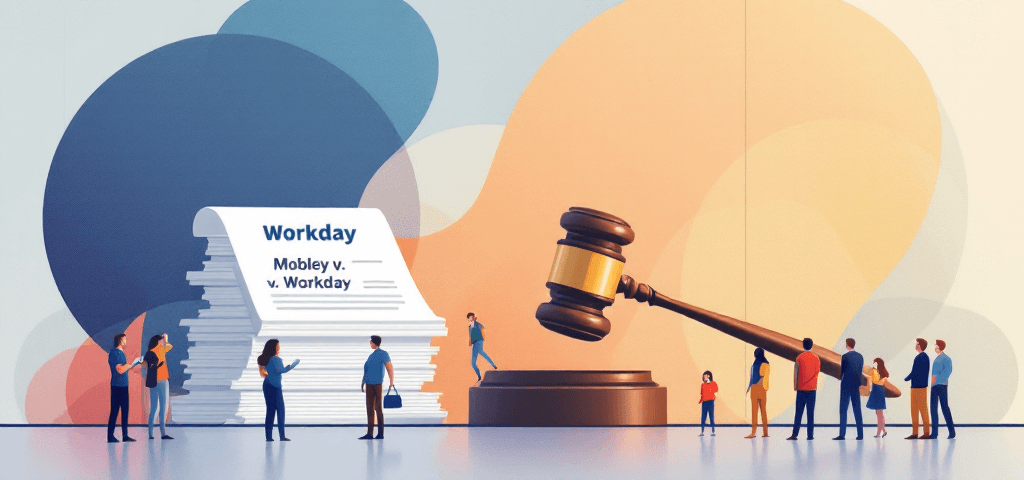
The Mobley v. Workday case insights

Featured Image

Mobley v. Workday Ruling Redefines Legal Accountability for AI Screening Tools in Hiring

The Mobley v. Workday case marks a landmark legal turning point by holding AI hiring vendors directly accountable for discriminatory outcomes affecting candidates based on race, age, and disability, underscoring significant risks for employers and technology providers alike. As AI transforms recruitment with speed and scale, this ruling highlights the critical need for transparency, governance, and bias mitigation when deploying these tools to protect candidate rights and ensure compliance with federal civil rights laws. Employers and HR professionals must adopt robust compliance strategies, including regular bias audits, human oversight, and comprehensive documentation, to minimize liability while benefiting from AI’s efficiency. SageScreen exemplifies a forward-thinking platform designed to meet these new standards, offering bias detection, transparent screening processes, and accountable AI workflows that safeguard hiring fairness and legal compliance in the evolving landscape of AI-assisted recruitment.

The Mobley v. Workday case insights Read More »

Identify Verification – The Sage Way

Featured Image

Understanding communication goes beyond facial expressions and voice tone, especially for autistic individuals who may process these cues differently. This article highlights the limitations of relying on nonverbal signals in screening candidates and emphasizes the need for more inclusive hiring practices using AI-driven assessments and structured approaches. Recruiters can build trust and reduce biases by focusing on clear, direct communication and accommodating diverse neurodiverse communication styles.

Identify Verification – The Sage Way Read More »