

The world of recruitment technology is full of promises. AI hiring tools say they’ll completely change the way you find talent, evaluate candidates, and create diverse teams. Vendors promote automated resume screening that saves countless hours. They guarantee data-driven insights that eliminate guesswork. They assure bias-free hiring that finally levels the playing field.
But here’s the uncomfortable truth: AI Hiring Needs Fewer Promises and More Proof.
You’ve probably heard these presentations before. AI will completely transform your recruitment process. It’ll reduce your time-to-hire by half. It’ll uncover candidates you never would have discovered—like those hidden gems in the SME sector. It’ll make your hiring decisions more objective and fair. These aren’t just marketing slogans—they’re the foundation of a multi-billion dollar industry banking on your trust.
The reality? AI in hiring can deliver remarkable benefits. Automation genuinely speeds up tedious tasks like the often cumbersome process of candidate screening. Data analytics do reveal patterns human eyes might miss. Properly designed systems might help reduce certain biases.
The challenge lies in separating genuine capability from glossy marketing. You need to see the receipts. You deserve transparent evidence that these systems work as advertised—and won’t introduce new problems while claiming to solve old ones. The stakes are too high for blind faith in algorithms.
Moreover, it’s essential to acknowledge potential pitfalls such as fraud and identity issues which can arise during the recruitment process, underscoring the need for robust verification systems.
In addition, as companies increasingly embrace global hiring strategies, it’s crucial to leverage AI’s capabilities to navigate language testing challenges effectively.
The Promises of AI in Hiring: What’s Being Sold?
Vendors pitch AI recruitment benefits with impressive claims that sound almost too good to be true. You’ve probably heard the sales pitch: AI will revolutionize your entire hiring process from start to finish.
Automation in hiring sits at the heart of these promises. Resume screening that once took your team days now happens in minutes. Scheduling interviews becomes automatic, with AI coordinating calendars and sending reminders without human intervention. You’re told these tools will free your recruiters from administrative tasks, letting them focus on building relationships with top candidates. This time-saving aspect is a significant selling point.
The pitch extends to data-driven decisions and proactive recruitment strategies. AI systems promise to analyze thousands of data points, predicting which candidates will succeed in your organization. You’ll identify talent gaps before they become critical, reaching out to passive candidates at exactly the right moment.
Reducing unconscious bias represents another major selling point. AI vendors claim their algorithms evaluate candidates purely on merit, stripping away the prejudices that plague human decision-making. You’re promised improved diversity and inclusion metrics as a natural byproduct.
The financial angle completes the package: lower hiring costs, shorter time-to-fill positions, and better quality of hire. The ROI calculations look compelling on paper. These systems promise to deliver a personalized candidate experience at scale, treating every applicant like your only applicant.
However, amidst these promises, there are underlying concerns that need addressing. The reliance on AI could potentially lead to legal risks if not managed properly. Furthermore, while AI may help in reducing some biases, it also has the potential to introduce new forms of bias if not carefully monitored.
While AI does offer substantial benefits such as language proficiency assessments, it’s essential to approach these claims with a healthy dose of skepticism and ensure proper safeguards are in place. The question you need to ask: where’s the proof?
The Reality Check: Where AI Hiring Falls Short
1. Algorithmic Bias: The Biggest Threat to AI Recruitment
Algorithmic bias represents the most significant threat to AI-driven recruitment. When training data reflects historical hiring patterns—patterns often riddled with human prejudice—the AI learns to replicate those same discriminatory practices at scale. You’re essentially automating inequality.
The evidence isn’t theoretical. Amazon scrapped its AI recruiting tool in 2018 after discovering it systematically downgraded resumes containing the word “women’s” or from graduates of all-women’s colleges. The system had learned from a decade of male-dominated hiring patterns in tech. HireVue faced scrutiny when research revealed its video analysis algorithms could disadvantage candidates based on facial features, accents, or speech patterns that correlated with protected characteristics like race and national origin.
2. Beyond Gender and Race: Other Reliability Issues with AI
These AI reliability issues extend beyond gender and race. Age discrimination creeps in when algorithms favor digital fluency or recent graduation dates. Disability discrimination occurs when systems penalize employment gaps or non-traditional career paths without understanding the context behind them.
3. The Dangers of Black Box Algorithms in Recruitment
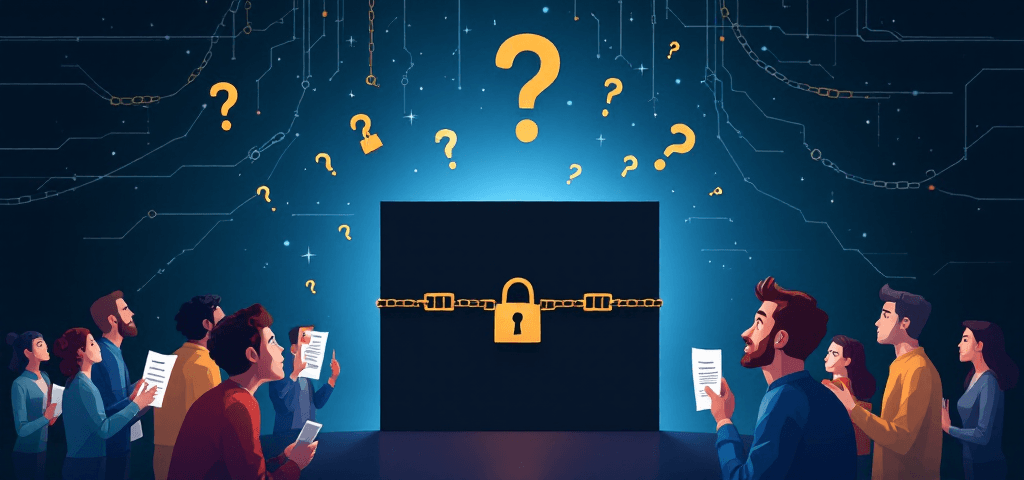
The recruitment challenges with AI compound when vendors hide behind proprietary “black box” algorithms. You can’t audit what you can’t see. Recruiters struggle to explain rejections to candidates, and candidates lose trust in processes that feel arbitrary and opaque. This lack of transparency doesn’t just create legal liability—it damages your employer brand and alienates the diverse talent you’re supposedly trying to attract.
4. Designing for Control: Regulating Learning Patterns in AI Systems
To combat these issues, it’s crucial to incorporate some form of design into AI systems, ensuring they don’t spiral out of control due to unregulated learning patterns.
5. Shifting Focus: From Smarter AI to Safer and More Reliable Solutions
Furthermore, the future of AI in recruitment shouldn’t solely focus on making it smarter, but rather on making it safer and more reliable.
6. Vigilance in Implementation: Assessing the Impact of AI on Hiring
Moreover, while AI can streamline processes such as interviews, it’s essential that we remain vigilant about its implementation and continually assess its impact on the hiring landscape.
In this regard, it’s also important to consider how AI is reshaping job market dynamics. As we embrace this technological shift, understanding its implications on job availability, required skills, and employee-employer relationships becomes crucial for both organizations and job seekers alike.
Why Promises Aren’t Enough: The Need for Proof in AI Hiring
When vendors pitch their AI hiring solutions, you’ll hear plenty about revolutionary capabilities. What you need instead is validation of AI hiring tools through concrete evidence and measurable outcomes.
Explainable AI
Explainable AI isn’t a luxury feature—it’s a fundamental requirement. You deserve to understand exactly how an algorithm arrives at its recommendations. When a system flags or ranks candidates, you should be able to trace that decision back to specific, defensible criteria. Black-box algorithms that can’t explain their reasoning have no place in decisions that affect people’s livelihoods.
Bias Detection and Mitigation
Bias detection and mitigation must be baked into the system architecture from day one. You can’t treat fairness as a patch you apply later when problems surface. Effective platforms conduct ongoing audits, continuously monitoring for disparate impact across protected characteristics. This isn’t a one-time certification—it’s a commitment to perpetual vigilance.
Accountability in Recruitment Tech

Accountability in recruitment tech demands documentation. Vendors should provide clear records of how their algorithms function, what data they use, and how they’ve been tested for bias. You need audit trails, not smoke and mirrors. Ethical compliance means being able to demonstrate—not just claim—that your hiring technology meets legal and moral standards.
Curious if your hiring tech really walks the talk? SageScreen can help you see beyond the hype with transparent, auditable screening processes that prioritize accountability in recruitment tech at every stage. They utilize decision scorecards to provide clear insights into their algorithmic processes and ensure fairness is part of the design rather than an afterthought.
Moreover, SageScreen’s approach includes hybrid processes that blend technology with human oversight, ensuring a balanced perspective in candidate evaluation. With their upcoming launch of SageScreen almost here, you can expect even more robust features aimed at enhancing transparency and accountability.
For those considering the legal implications of AI interviewing, SageScreen also offers comprehensive resources such as an AI interviewing legal implications compliance guide, which can aid in navigating this complex landscape.
Lastly, their innovative use of dynamic assessments ensures that candidate evaluation is not only fair but also adaptable to various roles and industries.
Building Trust Through Transparency and Data Integrity

You can’t build a skyscraper on a cracked foundation, and you can’t expect trustworthy AI platforms to deliver fair hiring decisions when they’re fed inconsistent, incomplete, or corrupted information. The quality of your AI’s output directly mirrors the quality of data you feed it—no exceptions.
Clean data for AI isn’t just a technical requirement; it’s the backbone of ethical recruitment. When your candidate information lives scattered across spreadsheets, outdated ATS systems, and disconnected databases, you’re essentially asking your AI to make sense of chaos. The result? Recommendations that miss qualified candidates, perpetuate historical biases hidden in messy records, or flag the wrong people entirely.
The infamous “garbage in, garbage out” principle hits particularly hard in hiring contexts. Imagine training an AI on structured recruitment data that contains:
- Incomplete candidate profiles with missing education or experience fields
- Inconsistent job titles that mean different things across departments
- Historical hiring patterns that reflect past discriminatory practices
- Unverified or outdated contact information
You’re not just getting poor results—you’re potentially encoding unfairness into every decision your system makes.
This is where [data quality](https://sagescreen.io/tag/data-quality) comes into play. Ensuring high-quality data is essential for achieving successful outcomes in AI-driven recruitment.
Transparent platforms solve this by showing you how they process your data and why they reach specific conclusions. You deserve to see the logic behind candidate rankings, understand which data points influenced scores, and verify that the system isn’t making decisions based on protected characteristics. Black-box algorithms that refuse to explain themselves have no place in modern recruitment.
The Human-AI Collaboration: Not a Battle but a Dance

You’ve probably heard the doomsday predictions: AI will replace recruiters, making human judgment obsolete. That’s not just wrong—it’s a fundamental misunderstanding of how human oversight in AI hiring should work.
Think of AI as your dance partner, not your duelist. The best hybrid recruitment models leverage what each brings to the floor. AI handles the heavy lifting—screening thousands of resumes in seconds, identifying patterns across candidate pools, and flagging potential matches based on objective criteria. You bring the irreplaceable human elements: reading between the lines of a career gap, assessing cultural fit during conversations, and recognizing potential that doesn’t fit neatly into algorithmic boxes.
Enhancing recruiter roles with AI means you spend less time on administrative drudgery and more time on what you do best—connecting with people. When a candidate explains a non-traditional career path, you understand the context and courage behind that decision. When someone’s resume shows unconventional qualifications, you can evaluate whether their unique background might actually be an asset.
Ethical recruiting happens when machine speed meets human empathy. AI processes data at scale, identifying qualified candidates you might have missed. You interpret the nuances—the passion in a cover letter, the growth trajectory in someone’s career story, the potential that exists beyond keywords and credentials. This partnership creates hiring outcomes that are both efficient and genuinely fair.
As we move towards 2025, the transformation of recruiting agencies is expected to emphasize lean screening expertise which aligns perfectly with this human-AI collaboration model.
SageScreen’s Role in Delivering Proof Over Promises
When hiring decisions impact real people’s careers and your organization’s future, you need more than marketing buzzwords. SageScreen background checks stand apart by prioritizing transparency at every stage of the screening process. The platform doesn’t hide behind proprietary algorithms or vague claims about “AI magic.” Instead, you get clear documentation of how decisions are made, what data sources inform those decisions, and why specific flags appear in candidate reports.
The difference lies in reliable hiring solutions built with accountability from the ground up. SageScreen’s tools actively detect potential bias patterns in screening outcomes, alerting you to disparities that might otherwise slip through unnoticed. You can audit results across protected characteristics, ensuring your hiring practices meet both legal requirements and your organization’s diversity commitments. This isn’t about checking a compliance box—it’s about ethical recruitment technology that genuinely works.
When you implement SageScreen, you’re choosing a partner that understands AI Hiring Needs Fewer Promises and More Proof. The platform provides:
- Explainable screening criteria that your team can understand and defend
- Real-time bias monitoring across demographic groups
- Audit trails documenting every decision point
- Compliance frameworks aligned with EEOC and FCRA standards
Want proof instead of promises? Discover how SageScreen delivers trusted insights that help you hire smarter, backed by data you can actually verify and defend. With SageScreen’s reliable hiring solutions, you’re not just making hires; you’re making informed decisions based on solid data.
For those interested in understanding how to navigate the complexities of hiring with ethical recruitment technology, our how-to guides offer valuable insights.
Our platform’s features are designed to enhance your recruitment process significantly. From explainable screening criteria to real-time bias monitoring, we provide tools that empower your team to make better hiring decisions.
Moreover, if you’re looking for a detailed walkthrough of our system and its capabilities, our walkthrough resources are readily available for you to explore.
Practical Steps Organizations Can Take Now
You can’t afford to wait for the perfect AI solution—implementing fair AI hiring starts with smart decisions today. Here’s how you move from promises to proof:
1. Vet Your Vendors Rigorously
Ask potential partners direct questions about explainability. Can they show you how their algorithms make decisions? Do they conduct regular bias audits? If a vendor can’t provide documentation of their bias mitigation strategies, keep looking.
2. Monitor Continuously
AI systems aren’t appliances you plug in and forget. You need ongoing oversight to catch drift in performance or emerging biases. Set up regular reviews of hiring outcomes across demographics. Check if your AI tool maintains fairness as your candidate pool evolves.
3. Empower Your HR Team
Your recruiters need training on interpreting AI outputs critically. They should understand what confidence scores mean, recognize when to override automated recommendations, and spot patterns that signal potential bias. This isn’t about becoming data scientists—it’s about applying informed judgment to recruitment best practices.
4. Start With Integrity
Ready to upgrade your hiring game? Partner with SageScreen for proven integrity at every step. You deserve vendors who demonstrate their commitment to fairness through transparent processes and verifiable results. For a more detailed approach, consider following this step-by-step guide which provides practical insights into implementing these strategies effectively.