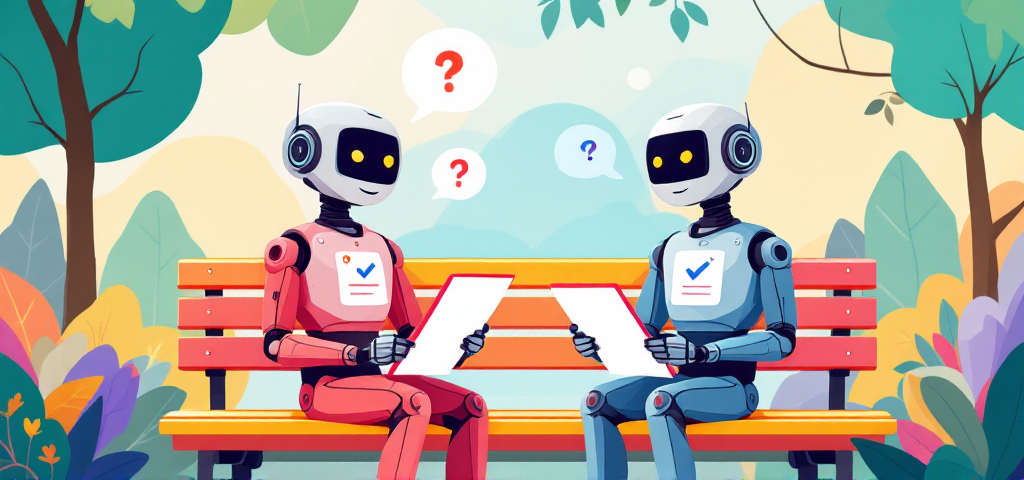

The hiring landscape has undergone a seismic shift. You can no longer rely on a firm handshake, a polished resume, and your gut instinct to make the right hire. Trust, But Verify: The New Rule of Modern Hiring Systems has emerged as the defining principle for recruiters navigating today’s complex talent marketplace.
Gone are the days when hiring managers made decisions based purely on intuition. Modern hiring systems demand a delicate balance—extending trust to candidates while simultaneously implementing rigorous verification processes. This isn’t about cynicism; it’s about precision.
How Technology is Changing Recruitment
Technology has fundamentally reshaped how you approach both trust and verification in recruitment. AI-powered assessments, video interview platforms, and sophisticated background check systems now work alongside human judgment to create a more accurate, fair, and efficient hiring process. For instance, decision scorecards can provide quantifiable metrics to aid in decision-making.
The Role of Recruiting Agencies
Moreover, with the rise of recruiting agencies, we’re witnessing a transformation where agencies leverage SME expertise and step-by-step guides to streamline the hiring process.
Adapting to a Globalized Job Market
Additionally, tools that assess language proficiency are becoming invaluable in our increasingly globalized job market. These advancements not only enhance the verification process but also allow us to extend trust more confidently.
The question isn’t whether you should adopt this “trust, but verify” approach—it’s how quickly you can implement it before your competitors do.
The Philosophy Behind “Trust, But Verify” in Hiring
Candidate trust forms the foundation of any recruitment relationship, but it can’t stand alone anymore. You’re dealing with a paradox: you need to believe in your candidates’ potential while simultaneously confirming they are who they claim to be. This isn’t about cynicism—it’s about creating a balanced recruitment approach that protects both your organization and qualified candidates.
Why Resumes Can’t Be Trusted Completely

Resumes have become unreliable narrators of professional stories. A 2023 study revealed that 78% of job seekers admit to embellishing their qualifications, ranging from inflated job titles to fabricated skill sets. When you rely solely on what candidates tell you, you’re essentially building your hiring strategy on quicksand. The stakes climb higher when you consider that a single bad hire can cost your company up to 30% of that employee’s first-year salary.
The Importance of Verification in Hiring
The verification process serves three critical functions in modern hiring:
- Fairness: Ensures all candidates compete on equal footing with accurate credentials
- Accuracy: Confirms the skills and experiences you’re paying for actually exist
- Efficiency: Prevents costly hiring mistakes that drain resources and team morale. In fact, implementing thorough verification processes can lead to significant time savings for your recruitment team.
You’re not playing detective because you distrust people—you’re implementing verification because the hiring landscape demands it. The best candidates actually appreciate thorough vetting; it validates their genuine qualifications and separates them from those cutting corners.
Evolution of Hiring Technologies: From Pandemic Panic to Precision Tools
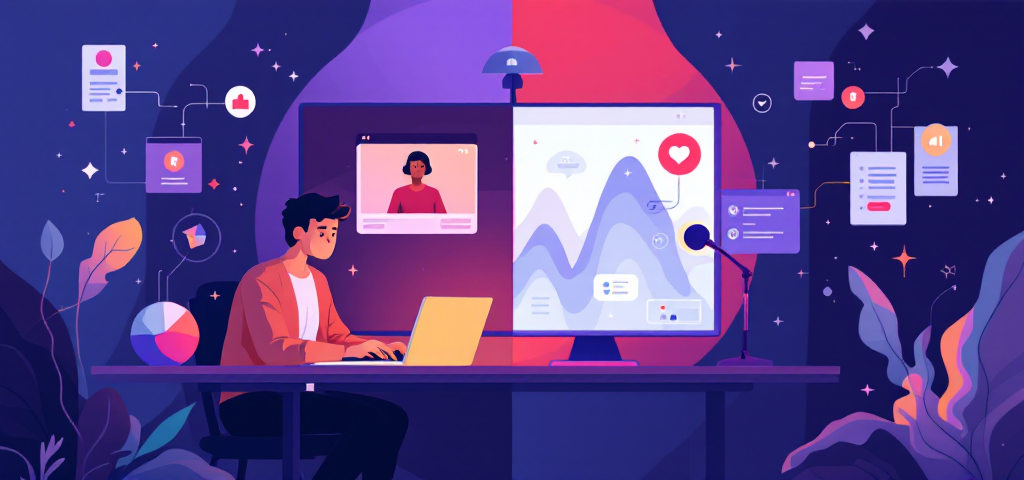
Remember when video hiring platforms were just temporary fixes thrown into recruitment processes during lockdowns? You probably rushed to set up Zoom interviews while candidates figured out how to unmute themselves. Those chaotic early days feel like ancient history now.
Video hiring platforms have grown from desperate solutions during the pandemic into advanced systems for evaluating candidates. It’s no longer just about seeing a candidate’s face on screen—now you have access to organized interview structures, recording features for team discussions, and built-in evaluation tools that capture details human memory might overlook.
The rise of AI competency assessments represents a significant shift in skill validation. These aren’t flashy tricks meant to impress your executives. Instead, they are algorithms that examine candidate answers for technical expertise, problem-solving methods, and communication styles. This technology assesses what candidates can do, rather than solely relying on their self-reported abilities.
Structured interviews combined with job simulations serve as investigative techniques in your hiring process. You design situations that replicate actual job challenges, observing how candidates tackle real-world issues instead of rehearsed interview responses. For instance:
- A marketing candidate doesn’t just discuss campaign strategy—they actually create one.
- A developer doesn’t merely list coding languages—they debug real code.
Curious about how SageScreen’s AI-driven assessments can elevate your hiring process? The platform integrates these precise tools into a single streamlined verification system that prioritizes both speed and accuracy. With SageScreen, you can harness cutting-edge technologies to improve your hiring process, ensuring a better candidate experience.
Furthermore, as companies broaden their scope and embrace global hiring, it’s essential to steer clear of common language testing mistakes which AI can effectively fix. As we continue to adjust and grow in this new age of recruitment, SageScreen is on the verge of launching to transform the way we verify skills and evaluate potential.
Cutting Bias Out of the Equation: Technology’s Role in Fairer Hiring
Algorithms don’t care about your accent, your alma mater, or whether you went to the same golf club as the hiring manager. AI in recruitment has proven it can reduce unconscious bias by up to 62% when designed with fairness as a core principle. These systems evaluate candidates based on actual competencies and job-relevant criteria—not surface-level characteristics that have historically skewed hiring decisions.
The Secret Sauce? Transparency
Candidates increasingly demand to understand how AI systems evaluate them, and you should want the same visibility. When you know exactly which data points your AI tools analyze and how they weight different factors, you can audit for fairness and explain decisions with confidence. This transparency protects both your organization and your candidates from the black-box problem that plagued earlier AI systems.
Balancing Candidate Acceptance and Legal Compliance
Fair hiring practices require walking a tightrope between candidate acceptance and legal compliance. Your candidates need to trust that the process treats them equitably. Your legal team needs assurance that your AI tools won’t expose the company to discrimination claims. Modern AI platforms address both concerns by documenting their decision-making processes, allowing for human oversight, and regularly testing for disparate impact across protected classes.
Being Aware of Potential Legal Risks

However, it’s crucial to be aware of potential legal risks associated with AI in recruitment. The “Trust, But Verify” principle applies to your AI tools themselves—you trust the technology to reduce bias, but you verify it’s actually delivering on that promise through regular audits and validation studies.
Legal Labyrinths and AI: Navigating Compliance Without a Compass Malfunction

Employment law compliance AI tools present a fascinating paradox: they’re simultaneously your best defense and your biggest liability risk. You’re dealing with regulations that were written before anyone imagined AI screening thousands of candidates in seconds. The EEOC guidelines, ADA requirements, and state-specific privacy laws weren’t designed with machine learning in mind—yet here you are, trying to make them play nice together.
The legal implications of AI interviewing are vast and complex, requiring a comprehensive compliance guide to ensure you’re on the right side of the law. This is where understanding the AI interviewing legal implications becomes crucial.
Privacy protection in hiring has transformed from a checkbox exercise into a full-blown strategic imperative. You need to treat candidate data with the same reverence a museum curator shows a priceless artifact. Every piece of information collected, analyzed, and stored by your AI systems creates potential exposure. The EU’s GDPR set the gold standard, but even if you’re US-based, candidates increasingly expect—and demand—transparency about how their data flows through your hiring pipeline.
Your company policies can’t afford to gather dust while AI innovation sprints ahead. You need living, breathing documentation that evolves alongside your technology stack. This means:
- Regular audits of AI decision-making processes
- Clear documentation of what data you collect and why
- Explicit consent mechanisms that candidates actually understand
- Defined retention and deletion protocols for candidate information
However, without proper design and data quality, everything can fall apart. This highlights the importance of having robust systems in place to manage these aspects effectively.
The legal landscape isn’t getting simpler. You’re navigating waters where one misstep can trigger lawsuits, regulatory scrutiny, and reputation damage that no algorithm can fix. It’s essential to ensure that your AI systems are not just innovative but also compliant and safe – the future of AI isn’t smarter, it’s safer.
Battling Candidate Fraud with Responsible AI Guardianship
Fraudsters have gotten creative. They’re using AI to polish resumes, generate fake references, and even deploy deepfake technology during video interviews. The irony? The same technology they exploit becomes their downfall when responsible AI steps in as the guardian of authenticity.
How Responsible AI Detects Candidate Fraud
Candidate fraud detection responsible AI systems analyze behavioral patterns that human recruiters might miss. When a candidate’s typing rhythm suddenly changes mid-assessment, or their eye movements don’t align with someone genuinely thinking through a problem, the technology flags these inconsistencies. Tools like SageScreen, which employ sophisticated authenticity verification algorithms, cross-reference responses, detect anomalies in real-time, and identify when something just doesn’t add up.
The Benefits of Responsible AI in Recruitment

The beauty lies in the balance. You’re not creating a surveillance state—you’re building a fair playing field. These systems work quietly in the background, allowing genuine candidates to shine while catching the bad actors who thought they could game the system.
Moreover, recruiter efficiency doesn’t suffer; it improves. Instead of spending hours second-guessing whether a candidate is legitimate, you receive automated alerts only when red flags appear. The AI handles the tedious verification work, freeing you to focus on what matters: connecting with authentic talent and making informed hiring decisions. This approach maintains accountability without sacrificing the speed your organization needs to secure top candidates before competitors do.
Embracing Hybrid Processes for Effective Recruitment
As we delve deeper into this digital age, it’s crucial to embrace hybrid processes that integrate these advanced technologies seamlessly into our recruitment strategies. But remember, while these tools are powerful allies in the fight against fraud, they must be used responsibly and ethically to truly serve their purpose.
Integrating Trust and Verification Seamlessly: Best Practices for Modern Recruiters
Building a recruitment process that honors both trust and verification requires strategic implementation. You need systems that work with your instincts, not against them.
The Human-Tech Partnership
Your gut feeling about a candidate matters—it always has. The difference now? You can validate those instincts with concrete data. When you sense a candidate’s potential during a conversation, verification tools confirm whether that potential translates to actual competencies. This partnership between intuition and technology creates hiring decisions you can defend with confidence.
Implementation Without Paranoia
Start with these practical steps to embed verification naturally:
- Layer your verification: Begin with video interviews to assess communication skills, then add competency assessments for technical validation
- Automate background checks: Schedule them to run automatically after initial screening—no manual follow-up needed
- Set fraud detection thresholds: Configure your systems to flag anomalies without requiring constant monitoring
- Create verification checkpoints: Build them into your workflow at logical stages, not as afterthoughts
The goal isn’t to doubt every candidate who walks through your door. You’re building a system where trust earns its place through evidence, and verification happens so smoothly that candidates barely notice the process.
Want seamless integration that respects both trust and verification? SageScreen has your back with AI-driven tools that work quietly in the background.
The Future Outlook: Will “Trust, But Verify” Become the Norm or Just Another Buzzword?
The future of hiring isn’t just knocking at your door—it’s already rearranging your furniture. AI-powered verification tools will become as standard as spell-check in email, with predictive analytics helping you spot red flags before candidates even finish their applications. You’ll see recruitment trends shift toward continuous verification rather than one-time checks, with blockchain-based credential systems making resume fraud as outdated as fax machines.
The real challenge? Keeping your hiring process human while the machines get smarter. You can’t let algorithms completely replace the gut instinct that tells you when someone’s genuinely passionate versus just well-rehearsed. However, it’s important to note that AI won’t revolutionize hiring but will save you time, allowing you to focus more on the human aspects of recruitment.
The evolving technology impact means you’ll need to train your team not just to use new tools, but to interpret their outputs with critical thinking intact.
Here’s the truth: companies that adopt “Trust, But Verify” now are building competitive advantages that’ll compound over years. You’re not just filling positions faster—you’re creating hiring infrastructures that scale with precision. The organizations still relying solely on resume reviews and casual interviews? They’re already falling behind, losing top talent to competitors who’ve mastered the verification dance.
The question isn’t whether this approach becomes standard practice. It’s whether you’ll be leading the charge or playing catch-up when everyone else has already crossed the finish line.
Conclusion
The modern recruitment mindset trust paradox isn’t going anywhere—you need to embrace candidates’ potential while rigorously validating their claims. Trust, But Verify: The New Rule of Modern Hiring Systems represents the smartest path forward in an era where resume embellishments and AI-assisted fraud threaten hiring integrity.
Your hiring process doesn’t have to resemble the wild west. Technology-powered hiring, like those offered by SageScreen, brings structure, fairness, and accuracy to what was once pure guesswork. You can maintain the human connection that makes recruitment meaningful while leveraging verification tools that catch what your gut might miss.
The recruiters winning today aren’t choosing between trust and verification—they’re mastering both simultaneously. They’re using platforms that respect candidates while protecting their organizations from costly hiring mistakes.
Ready to revolutionize your recruitment with trustworthy verification? Explore how to leverage technology-powered hiring with SageScreen’s features for a seamless experience. Whether it’s through dynamic assessments or ensuring interview integrity, we provide the right tools to turn your hiring chaos into harmony. Your next great hire is out there—you just need the right tools to find them confidently.