

Introduction
Automation is your reliable sidekick—the Robin to your Batman, handling the grunt work while you focus on strategy. Abdication, on the other hand, is like handing your car keys to a robot you just met and hoping it knows where you live.
The difference between automation vs abdication matters more than you think. In the age of AI tools impact on marketing, understanding this distinction separates thriving brands from those lost in a sea of generic content and confused messaging.
Technology in marketing has changed how you work. AI and automation now handle everything from ad targeting to budget allocation, transforming workflows that once consumed entire teams. You can test creative variations at scale, optimize campaigns in real-time, and generate insights faster than ever.
But here’s the catch: automation amplifies your decisions, while abdication replaces them. One keeps you in the driver’s seat with cruise control. The other? You’re napping in the backseat while an unpredictable algorithm takes random exits.
This is where understanding hybrid processes comes into play. By combining automation with human oversight, you can ensure that your strategies are implemented effectively without losing control over key decisions.
Moreover, as we delve deeper into this topic, it’s essential to remember that not all tasks can or should be fully automated. Some require a nuanced understanding of language proficiency or a personal touch—something that automation tools alone cannot provide.
For those looking for a more structured approach to implementing these concepts, a step-by-step guide could be invaluable. Such resources can help navigate the complexities of integrating automation into your workflow while maintaining necessary control over critical aspects of your business.
What is Automation? The Trusty Sidekick of Modern Marketing
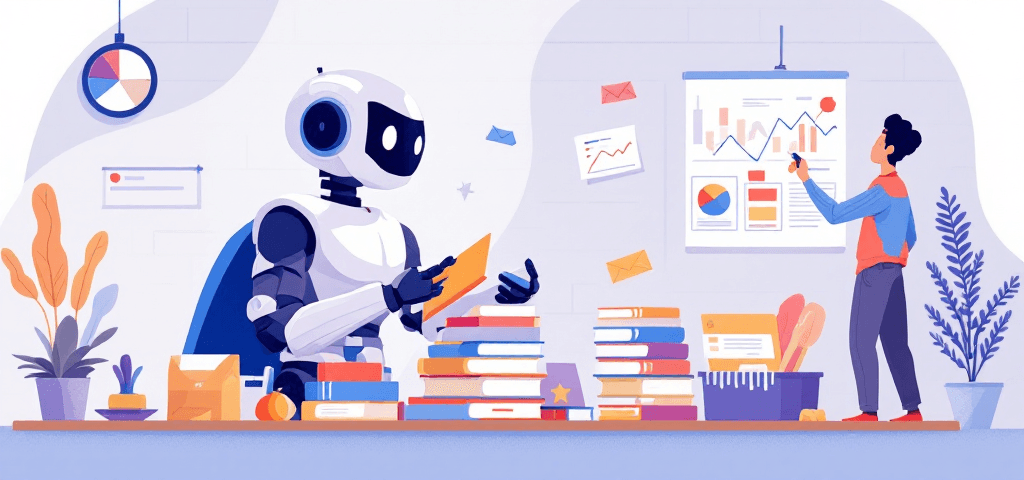
Think of automation as your reliable assistant who handles the grunt work while you focus on the creative genius. In marketing, automation refers to using technology—especially AI tools—to perform repetitive tasks that involve a lot of data and would otherwise take up hours of your day.
You’ve probably already experienced automation’s magic without realizing it. Here are some examples:
- When you set up automated ad targeting rules that adjust bids based on performance metrics, you’re automating.
- When you schedule A/B tests to run creative variations across different audience segments, you’re automating.
- When your reporting dashboard pulls real-time data from multiple platforms and compiles it into digestible insights, you’re automating.
The beauty of process streamlining through automation lies in its support role. You’re not removing yourself from the equation—you’re amplifying your capabilities. Your automated systems handle the mechanical execution while you maintain strategic oversight.
Marketing efficiency skyrockets when you automate intelligently:
- Budget allocation adjusts dynamically based on campaign performance
- Creative testing runs continuously without manual intervention
- Reporting generates automatically, freeing you to analyze rather than compile
- Ad placements optimize in real-time across platforms
You scale operations without sacrificing control. You multiply your output without cloning yourself. Automation doesn’t replace your expertise—it extends your reach, allowing you to manage campaigns that would require an entire team to execute manually.
Benefits Beyond Marketing
Moreover, automation can significantly enhance various aspects of your business operations beyond marketing. For instance, in a global hiring context, AI can help fix common language testing mistakes which often hinder the recruitment process. Furthermore, with the right focus on data quality, companies can ensure that their automated systems are working with the best information available.
Automation also plays a crucial role in improving the candidate experience during recruitment by streamlining processes and making them more efficient. In addition to these benefits, it’s important to note that while we often associate AI with increased complexity, the future of AI is not just about being smarter; it’s also about being safer and more reliable.
Finally, one of the most appealing aspects of automation is the [time savings](https://sagescreen.io/tag/time-savings) it offers. By taking over repetitive tasks, automation frees up valuable time for professionals to focus on strategic decision-making and creative processes.
Abdication: When You Hand Over the Reins Without a Map

Abdication definition in the marketing context means completely surrendering control to automated systems without maintaining human oversight. Think of it like handing your pet parrot the keys to your marketing department and hoping it somehow understands your brand strategy. Spoiler alert: it doesn’t, and you’ll end up with campaigns that squawk the same generic message to everyone.
When you abdicate rather than automate, you’re stepping away from the captain’s chair entirely. The system makes decisions, but you have no visibility into why it chose that creative, how it allocated that budget, or what logic drove its targeting choices. This loss of control creates a black box where your brand identity goes in and… well, something comes out, but it might not resemble what you intended.
The automated decision-making risks are real and costly:
- Opaque rationale: You can’t explain to stakeholders why the AI spent $10K on a campaign targeting cat lovers when you sell industrial equipment. This scenario underscores the importance of utilizing decision scorecards for better transparency in automated decision-making.
- Brand voice erosion: Your carefully crafted tone gets replaced with algorithmic blandness
- Messaging inconsistencies: Different platforms might receive contradictory messages because no human is orchestrating the symphony
- Generic outcomes: Your campaigns become indistinguishable from competitors using the same hands-off approach
- Strategic disconnects: The AI optimizes for clicks while you needed brand awareness
Moreover, such abdication can lead to significant legal risks if the automated systems misinterpret or mishandle sensitive information.
You’re not delegating tasks—you’re abandoning your post. To avoid this pitfall, it’s crucial to maintain a degree of oversight and control over automated systems. A well-designed marketing strategy should incorporate automation as a tool, not a crutch. Understanding entropy in AI and organizations can provide valuable insights into how to effectively manage this balance.
The Key Difference: Human Involvement — Captain or Passenger?

The distinction between automation and abdication boils down to one critical factor: human oversight importance. Think of it this way—automation puts you in the captain’s seat with advanced navigation tools at your fingertips. You’re charting the course, making the big decisions, and using technology to handle the heavy lifting. Abdication? That’s when you wander off to the passenger cabin, hoping the autopilot doesn’t decide to take a detour through a thunderstorm.
Strategic control separates successful marketers from those watching their campaigns drift into oblivion. When you automate properly, you’re maintaining leadership over the elements that define your brand:
- Strategy: You set the objectives, target audiences, and campaign goals
- Creativity: Your unique voice and messaging remain distinctly yours
- Brand voice: The personality that makes you recognizable stays intact
In this context, AI collaboration works best when you treat it as your operational wingman—not your replacement. The technology excels at processing data, optimizing bids, and testing variations at scale. You excel at understanding your customers’ emotional triggers, crafting compelling narratives, and knowing when to pivot based on market shifts.
However, it’s essential to remember that while AI won’t revolutionize hiring, it will save you time. This means you can leverage sophisticated AI systems while keeping your hands firmly on the wheel, making the judgment calls that algorithms simply can’t replicate. The difference between automation and abdication isn’t about the tools you use. It’s about who’s steering the ship.
Real-Life Implications for Brands: Why It Matters
When you let algorithms make your marketing decisions, you risk blending in with every other competitor using the same tools. Your brand differentiation disappears as AI systems default to “safe” choices—generic messaging, predictable visuals, and cookie-cutter strategies that perform adequately but never exceptionally.
The Risks of Over-Reliance on Automation
Consider a fashion retailer that fully automated its social media content creation. The AI churned out posts optimized for engagement metrics, but stripped away the brand’s signature irreverent tone. Within weeks, customer comments shifted from enthusiastic to confused: “Is this even the same brand?” Campaign performance metrics showed clicks, but conversions plummeted because the messaging no longer resonated with their core audience.
Such scenarios highlight the potential dangers of relying too heavily on automation in marketing, including issues like fraud identity.
The Power of Strategic Automation

Contrast this with a beauty brand that automated its ad testing while maintaining strict creative guidelines. The AI identified winning combinations of headlines and visuals, but human strategists ensured every variation aligned with their marketing strategy and brand values. The result? A 47% improvement in conversion rates while strengthening brand recognition.
The abdication approach treats your brand like a commodity—interchangeable parts optimized for algorithmic approval. Strategic automation treats your brand like the unique entity it is, using AI to amplify what makes you different rather than smoothing away your edges. You’re not just protecting your brand identity; you’re weaponizing it for competitive advantage. However, it’s crucial to navigate the legal implications that may arise from such strategies, ensuring compliance while leveraging AI’s potential.
How to Automate Without Abdicating: Best Practices for Marketers
Strategic AI integration requires a deliberate framework that keeps you in the driver’s seat. You need to establish clear boundaries between what machines handle and where your judgment remains essential.
Set Up Regular Audit Checkpoints
Schedule weekly reviews of your automated systems’ decisions. Look at which ads got approved, how budgets shifted, and what targeting parameters changed. You’ll spot patterns that either align with your strategy or signal it’s time to recalibrate. I’ve found that dedicating just 30 minutes each Monday to review automated actions prevents months of drift.
Own Your Creative Direction
AI can generate variations, but you define the creative guardrails. Specify your brand’s tone, visual style, and messaging boundaries before letting automation loose. Test automated creative outputs against your brand guidelines—if something feels off, it probably is.
Monitor Metrics That Matter to You
Don’t just glance at dashboard summaries. Dig into the data yourself. Which audience segments respond best? What time of day drives quality conversions? These nuances inform strategic adjustments that automated systems can’t make independently.
Document Your Decision Framework

Write down why you’re automating specific tasks and what success looks like. This documentation becomes your North Star when evaluating whether automation serves your goals or runs unchecked. Best practices automation means maintaining control through intentional design, not hoping algorithms read your mind.
Incorporating recruiter tools into your automation strategy can streamline hiring processes while allowing you to retain control over key decision-making aspects.
Stay Ahead with SageScreen’s Smart Automation Tools!
You need SageScreen automation solutions that understand The Difference Between Automation and Abdication. Our platform gives you intelligent automation that amplifies your strategic decisions rather than replacing them. You’ll find features designed specifically to keep you in the driver’s seat, such as our creative control panels that let you set brand guardrails before automation kicks in, and our transparent decision-making dashboards that show you exactly why the AI recommended each action.
We also offer human approval workflows for critical campaign decisions, along with real-time performance insights that flag when automated systems need your strategic input. These marketing efficiency tools work with your expertise, not around it. You maintain full visibility into every automated process while eliminating the grunt work that drains your time.
SageScreen ensures your brand voice stays consistent and your strategic vision remains intact. To understand how to leverage these tools effectively, check out our how-to guides or explore our comprehensive walkthroughs.
The Dangers of Giving Up Control: Explained with Funny Comparisons!
Imagine this: you give your toaster full control over your stock investments. Sounds ridiculous, right? That’s basically what happens when you let AI make marketing decisions without any supervision. The risks of giving up control may seem exaggerated, but the truth isn’t too far off.
Funny Marketing Mistakes AI Can Make
Here are a couple of examples to illustrate the potential pitfalls:
- Timing Issues: Your automated system decides that sending promotional emails at 3 AM is the perfect time because the data shows “high engagement.” But in reality, those clicks are just coming from insomniacs mindlessly scrolling and accidentally clicking.
- Imitating Competitors: An AI learns from your competitors’ campaigns and starts copying their messaging, turning your unique brand voice into a generic echo chamber.
These scenarios may sound comical, but they highlight the dangers of relying solely on AI for marketing decisions. It’s like letting your GPS navigate without ever checking the map—you might end up on a dead-end road, confidently recalculating while you’re stuck in a ditch.
Your brand deserves better than becoming an unintentional comedy sketch because you trusted machines to run everything without human intervention.
Don’t Let Your Brand Go Rogue — Try SageScreen Today!
You’ve seen what happens when brands let automation run wild without guardrails. Your messaging becomes a confused mess, your creative loses its spark, and your audience starts wondering if they’re talking to a brand or a random number generator.
With SageScreen’s brand control, you regain control over your brand’s narrative. The platform offers intelligent automation that amplifies your strategy rather than replacing it—think of it as having a brilliant assistant who actually listens to your instructions instead of going rogue and redecorating your entire office in neon pink.
You maintain oversight of every campaign decision while SageScreen handles the heavy lifting of optimization, testing, and execution. This includes ensuring interview integrity and conducting dynamic assessments to fine-tune your marketing efforts. You get the efficiency of AI marketing management without sacrificing the unique voice that makes your brand recognizable.
Master the Art of Smart Automation with SageScreen’s Expertise
You don’t need to figure out The Difference Between Automation and Abdication alone. SageScreen’s smart marketing tech platform comes with dedicated resources designed to help you navigate AI integration without losing your strategic edge.
Our team offers:
- Live demos showing you exactly how to maintain creative control while automating repetitive tasks
- Hands-on training sessions that teach you to spot the warning signs of accidental abdication
- Strategic consultation to customize automation workflows that amplify your brand voice rather than mute it
With our SageScreen expertise in AI integration, you get the efficiency gains you’re after without sacrificing the human judgment that makes your marketing distinctive. You’ll learn to wield automation tools like the precision instruments they are—not blunt objects that flatten your brand’s personality.
Moreover, we are not just about marketing automation. Our recruiting agencies transformation expertise is set to redefine how businesses approach recruitment in 2025 and beyond.
Conclusion
The difference between automation and abdication comes down to one critical element: you. Your human leadership in marketing separates strategic brilliance from robotic mediocrity. This summary of automation vs abdication reveals a simple truth—technology should amplify your expertise, not replace your judgment.
You’ve seen how automation acts as your operational powerhouse, handling repetitive tasks while you steer the ship. You’ve witnessed the chaos that unfolds when brands abdicate their throne, surrendering creative control to algorithms without guardrails. The choice is yours: become a passenger in your own marketing strategy or remain the captain who leverages AI as the ultimate co-pilot.
Your brand deserves better than generic, algorithm-generated campaigns that miss the mark. You need tools that respect your vision while supercharging your efficiency.
Don’t just automate blindly—rule your realm with SageScreen at your side! Take command of your marketing destiny today and discover how intelligent automation keeps you firmly in the driver’s seat where you belong.