

Creston Crowdis has been placing IT professionals for over 15 years. He has built his business on relationships, market instinct, and an ability to read people that only comes from thousands of conversations. His clients trust him. His candidates respect him. But recently, something shifted in how he works, and why. We sat down with him to find out what changed.
The Gap Between Instinct and Evidence
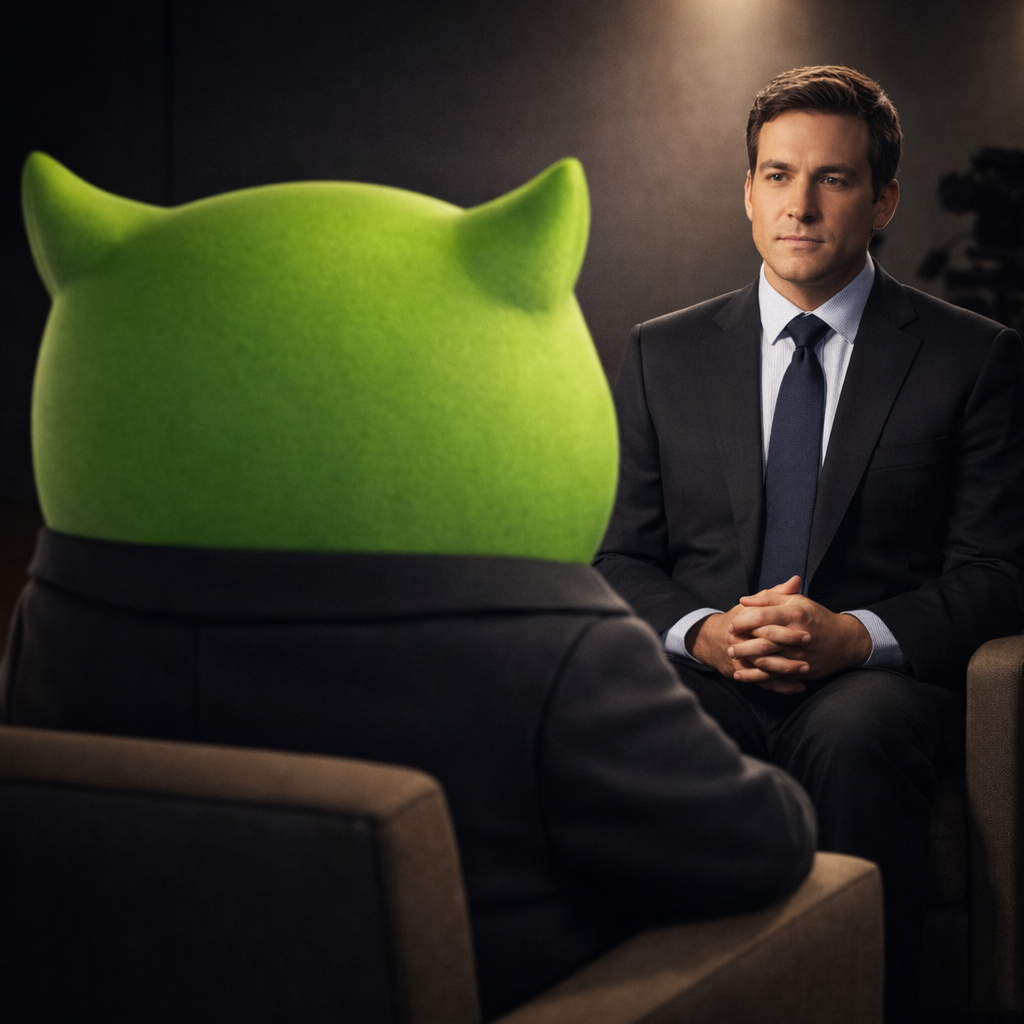
You have been recruiting in IT for a long time. What was the moment you realized something needed to change in your process?
It was not one moment. It was a pattern. I would talk to someone and they would sound great. Confident, articulate, knew the right terminology. Then the client would put them in front of a real problem and the depth was not there. I can tell how someone communicates and presents themselves, but from a technical perspective, I cannot always verify if they are as strong as they claim.
That sounds like the classic problem in technical recruiting. You can evaluate presence but not proficiency.
Exactly. And it is getting worse. With Salesforce roles, ServiceNow roles, anything specialized, the candidate can talk circles around you if you do not have that domain expertise yourself. Especially with offshore candidates. Someone can present beautifully on a call, but until they are tested against real scenarios, you are guessing. And guessing erodes your credibility with clients.
This is not a unique challenge. Research from GoodTime’s 2026 tech trends report identified skills misalignment between resumes and actual capability as one of the top three challenges facing technical recruiters. Boundless HQ’s analysis goes further: IDC projects the global IT skills shortage will cost organizations $5.5 trillion in losses by 2026. The talent gap is real, but so is the verification gap. Recruiters are under pressure to move fast in a market where the signal is increasingly hard to trust.
“I can tell how someone communicates and presents themselves, but from a technical perspective, I cannot always verify if they are as strong as they claim.”
Creston Crowdis, IT RecruiterWhat Ranking Tools Get Wrong
Before SageScreen, had you tried other tools to close that gap?
I looked at a few things. The problem with most of them was the same. They give you a score or a ranking, and that is it. No context. You have a number, but you still cannot explain to a client why this person scored the way they did. You cannot see how the candidate thinks, how they reason through a problem, how they communicate under pressure. It is a black box, and I do not submit candidates based on black boxes.
This is a pattern across the industry. Cypress HCM’s research found that only 26% of candidates trust AI will evaluate them fairly, and 35% of recruiters worry AI screening may exclude candidates with unique skills and experiences. The trust problem runs in both directions. Scores without evidence satisfy nobody: not the recruiter, not the client, and not the candidate.
This is precisely why SageScreen was built around a different set of principles. No scores. No rankings. The output is a readable transcript of how the candidate actually responded, what they said, how they reasoned through it, and where the depth was or was not.
What most tools deliver
- Scores and rankings with no context
- Static questionnaires with canned answers
- Resume keyword matching
- No visibility into candidate reasoning
- Black-box evaluation the recruiter cannot explain
What Creston needed
- Evidence of how candidates think through problems
- Dynamic conversations that adapt in real time
- Validation against actual job requirements
- Full transcripts to share with clients
- Confidence to say “here is the data”
The Shift: From Instinct to Evidence

Walk us through what changed when you brought SageScreen into your workflow.
It worked really well. I used it as a technical assessment to validate what I could not fully verify myself. What stood out immediately was that this was not a static quiz. The AI actually adapts. It asks follow-up questions based on what the candidate says. If someone gives a shallow answer, it probes deeper. If they go deep, it follows them there. That is the difference.
You mentioned Salesforce and ServiceNow roles specifically. How did it work for those?
Those were actually where it proved itself. With Salesforce and ServiceNow, you need someone who can architect solutions, not just configure fields. The screening sessions tested against real job-specific scenarios. I could see whether a candidate understood the architecture or was just reciting documentation. And for offshore candidates especially, that level of visibility made a massive difference. I was no longer guessing. I was reading evidence.
The way this works in practice matters. SageScreen uses a separation principle: the AI that conducts the conversation is structurally independent from the AI that evaluates the responses. That means the evaluation cannot be influenced by accent, tone, camera presence, or any signal outside the content itself. The recruiter gets a full transcript. Not a score. Not a recommendation. Evidence.
Creston plugged it into the earliest stage of his process, replacing manual first-round calls. Candidates completed sessions on their own time, in voice or text, across time zones. The platform evaluated responses automatically and produced structured insights he could review before ever picking up the phone.
The Moment It Clicked
Was there a specific moment where you thought, “this is different”?
Other tools just rank candidates, but there is no context. With this, I can see how they think, how they answer, and how they communicate. That was the difference. I could finally see the thinking behind the answer, not just a number someone assigned to it. When I sit down with a client now, I am not saying “trust my gut.” I am saying, “here is what the candidate actually said when tested against your requirements. Read it yourself.”
“Other tools just rank candidates, but there is no context. With this, I can see how they think, how they answer, and how they communicate.”
Creston Crowdis, IT RecruiterHow did your clients respond to that shift?
It changed the conversation completely. Now I can say this is not just my opinion. The candidate has been screened, and here is the data to support it. Clients pay attention when you back up a submission with structured evidence. It gives them confidence in the candidate, and it gives them confidence in me. That is the part nobody talks about. Screening tools are not just about the candidate. They are about the recruiter’s credibility.
This credibility shift is significant. In a market where AI-assisted candidate misrepresentation is rising, and fraud and identity spoofing are real threats, the ability to present verified, evidence-backed evaluations separates a trusted recruiter from a resume forwarder. Creston’s screening process now produces something his clients can read, verify, and trust.
What Actually Changed

If you had to sum it up: what is concretely different about your process now versus a year ago?
Four things. I spend less time on candidates who cannot perform. I catch depth issues before the client does. My submissions carry weight because they come with evidence. And I am not pretending to be a Salesforce architect or a ServiceNow developer to do my job. The AI handles the technical probing. I handle the relationship, the context, the placement. That is what I am good at. We each stay in our lane.
This is what AI-assisted screening looks like when it is done right. The recruiter’s instinct and relationships remain central. The AI adds a layer of structured, technical validation that a generalist recruiter cannot provide alone. The best screening tools do not replace the recruiter’s judgment. They give it a foundation of evidence.
For staffing agencies and independent recruiters working across specialized technical verticals, this pattern matters. The recruiter evaluates fit, communication, motivation, and cultural alignment. The AI evaluates technical depth, problem-solving approach, and consistency against job-specific requirements. Neither function substitutes for the other. They are structurally separate by design.
The Recruiter’s Edge
Last question. For a recruiter reading this who is still relying on phone screens and gut feel for technical roles, what would you tell them?
I would say your instinct is not wrong. It is incomplete. You can read people. That is your strength. But if you are placing people into technical roles and you do not have a way to validate the technical side, you are carrying risk you do not have to carry. The tool does not replace you. It fills the gap you already know is there.
Creston Crowdis continues to place IT professionals across Salesforce, ServiceNow, and other specialized platforms. His screening process now combines 15 years of relationship-driven recruiting with structured, AI-powered technical evaluation. The guessing is over. The evidence speaks for itself.