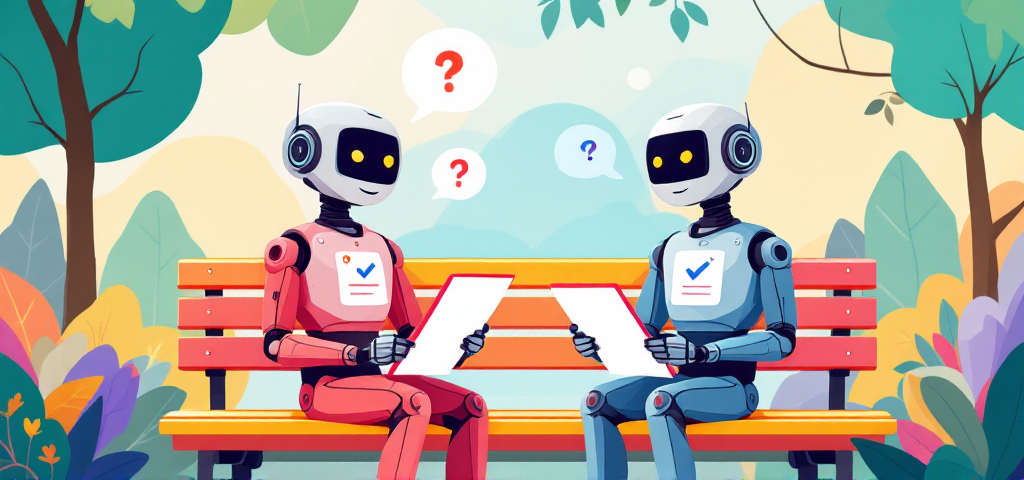

By 2025, Gartner predicts that one in four job applicants will be fake. That number should make anyone involved in hiring sit up straight. AI-powered recruitment fraud is no longer a fringe problem. It’s a tidal wave that’s reshaping how companies and candidates approach the entire hiring process.
Fraud and identity spoofing in AI interviews isn’t just about someone fibbing on their resume. We’re talking about fraudulent job applications that use advanced technology to slip past even the most careful recruiters. Think deepfake videos where a candidate’s face and voice are generated by AI, or proxy interviews where someone else entirely is answering questions in real time. There’s also candidate impersonation, where a real person pretends to be someone else, sometimes using stolen credentials or synthetic identities. The goal? Trick the system and land a job they’re not qualified for.
AI has completely changed the game. A decade ago, interview fraud was mostly about exaggerating skills or faking a reference. Now, with tools like voice cloning and real-time AI chatbots, it’s possible to create a convincing fake candidate from scratch. Some fraudsters even use AI to generate entire work histories or answer technical questions on the fly. The result is a hiring process that’s more vulnerable than ever, especially as companies rely on automated video interviews and remote screening. For more on the impact of AI in recruitment, check out our article on how AI won’t revolutionize hiring, it will save you time.
COVID-19 didn’t just change where we work. It changed how we hire. The massive shift to remote interviews during the pandemic opened the door for new types of fraud. Without in-person meetings, it’s a lot harder to spot red flags. Interview integrity solutions have had to evolve fast, but so have the tactics of those looking to game the system.
This isn’t just a recruiter’s headache. Honest candidates are feeling the pressure too. They’re competing against cheaters who use AI to get ahead, and they’re facing more scrutiny than ever before. On the other side, hiring managers are struggling to tell who’s real and who’s not. The stakes are high for both groups. If you’re a candidate, you want a fair shot. If you’re a recruiter, you need to protect your company’s hiring process security and avoid costly mistakes.
Here’s what you’ll get from this guide:
- A breakdown of the most common types of AI-powered recruitment fraud and candidate impersonation
- Clear definitions and real-world examples of identity spoofing in interviews
- Red flags and warning signs to watch for (whether you’re a candidate or a recruiter)
- Proven prevention strategies and interview integrity solutions that actually work
- A look at how remote hiring has changed the fraud landscape—and what’s coming next
If you’re tired of generic advice and want real answers, you’re in the right place. We’ll look at both sides of the problem—how fraud affects honest job seekers and how recruiters can spot fakes before it’s too late. Next up, we’ll dig into what it’s like for candidates who are trying to play by the rules in a world where not everyone is.
Understanding AI Interview Fraud: From a Candidate’s Perspective
If you’re an honest job seeker, the rise of AI-powered interview fraud probably feels like a punch in the gut. Suddenly, you’re not just competing with other qualified candidates. Now you’re up against deepfakes, AI-generated answers, and even people who pay for someone else to ace their video interview. It’s a weird, frustrating new reality. And it’s not just recruiters who feel the impact. Real candidates are getting caught in the crossfire, facing more hoops to jump through and a lot more stress. Let’s break down what this means for you—and why, despite the hassle, these changes might actually work in your favor.
How Fraud Undermines Honest Job Seekers
Imagine spending weeks prepping for an interview, only to find out you lost the job to someone who used a proxy interviewer or AI-generated responses. It’s not just a hypothetical. With the explosion of remote hiring, it’s happening more often. Some candidates use AI-assisted candidate screening tools to script their answers or even deploy deepfake video interview authentication to impersonate someone else. Honest applicants end up at a disadvantage, especially when fraudsters slip through the cracks and land roles they’re not qualified for. That means fewer opportunities for those who play by the rules.
It’s not just about losing out on jobs, either. When companies get burned by fake candidates, they start to distrust everyone. That leads to more intense candidate authentication methods for everyone, not just the cheaters. So, the actions of a few can make the process harder for the many.
The Psychological Impact of Competing Against Fake Candidates

There’s a real emotional toll here. I’ve talked to candidates who say they feel like they’re being treated as guilty until proven innocent. It’s exhausting. You prep for a technical interview, then get hit with surprise verification questions or have to record yourself answering prompts in real time. Some folks worry they’ll be wrongly flagged as fraudulent, especially if English isn’t their first language or if they’re nervous on camera. That fear can chip away at your confidence, making it even harder to perform well.
And let’s be honest: it’s frustrating to see others cheat and get ahead. There’s a temptation to level the playing field by using the same AI tools or shortcuts. But most people don’t want to compromise their integrity. They just want a fair shot. The problem is, the more sophisticated the fraud, the more intense the scrutiny becomes for everyone.
Some candidates even start to question if honesty is worth it. That’s a tough spot to be in. But it’s important to remember that most companies are trying to build interview integrity solutions that protect everyone—not just weed out the bad actors.
Increased Scrutiny and Verification: What Candidates Should Expect
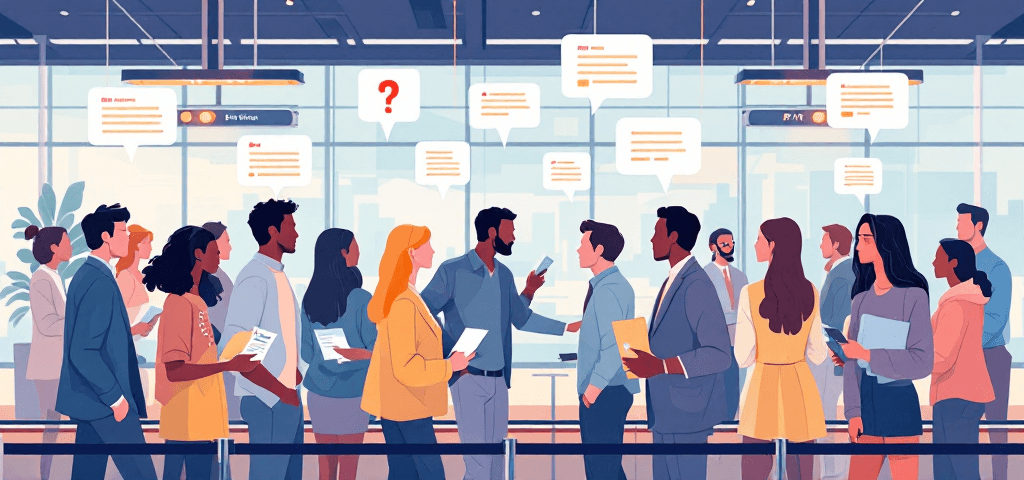
If you’re applying for jobs in 2025, expect the process to feel a lot more like airport security than a friendly chat. Here’s what’s becoming standard:
- Multiple ID checks: You might be asked to upload a government-issued ID, then show it live on camera to match your face.
- Biometric verification: Some platforms use facial recognition or voice biometrics to confirm you’re the same person throughout the process.
- Behavioral analysis: AI systems can flag odd patterns, like inconsistent eye movement or answers that sound too scripted.
- Surprise verification questions: Recruiters may throw in curveball questions to see if you’re really the one answering in real time.
- Recorded interviews: Many companies now require video interview authentication, so there’s a record if anything seems off later.
It’s a lot, and it can feel invasive. But these hiring process security steps aren’t just about catching cheaters. They’re about making sure everyone gets a fair shot. If you’re legit, these checks are there to protect you from being edged out by someone gaming the system.
There’s also a growing focus on making these checks less painful for honest candidates. For example, platforms like SageScreen use dynamic, conversational questions that adapt in real time. Instead of grilling you with trick questions or forcing you through endless ID checks, the system looks for natural, unscripted responses. That means if you’re genuinely qualified, you’re less likely to get tripped up by the process. It’s a subtle but important shift in how AI-assisted candidate screening works.
Of course, no system is perfect. There’s always a risk of false positives—legit candidates getting flagged by mistake. But most companies are aware of this and are working to fine-tune their interview integrity solutions. If you ever feel you’ve been wrongly flagged, don’t be afraid to ask for a review or clarification. Transparency is becoming a bigger part of the process, too.
Bottom line: the rise of fraud and identity spoofing in AI interviews has made things tougher for everyone. But these changes are also pushing companies to build fairer, more secure hiring processes. If you’re honest, you’re not alone—and the right candidate authentication methods are there to help you stand out for the right reasons.
The Recruiter’s Dilemma: Identifying and Preventing Interview Fraud
Recruiters are staring down a new reality: AI-powered interview fraud is everywhere, and it’s only getting trickier to spot. According to a 2024 Sherlock report, 59% of hiring managers suspect candidates of using AI to misrepresent themselves. Even more alarming, 23% have already encountered interview fraud directly. That’s not just a blip. It’s a tidal shift in how companies need to approach hiring, especially as remote interviews become the norm.
If you’re a recruiter, you’re probably feeling the pressure. The stakes are high. One bad hire can cost a company tens of thousands of dollars, not to mention the headaches and security risks. And the fraudsters? They’re not just embellishing resumes anymore. They’re using deepfakes, voice clones, and even hiring professional proxies to ace your AI interviews. The old playbook doesn’t cut it.
Common Types of AI-Powered Interview Fraud
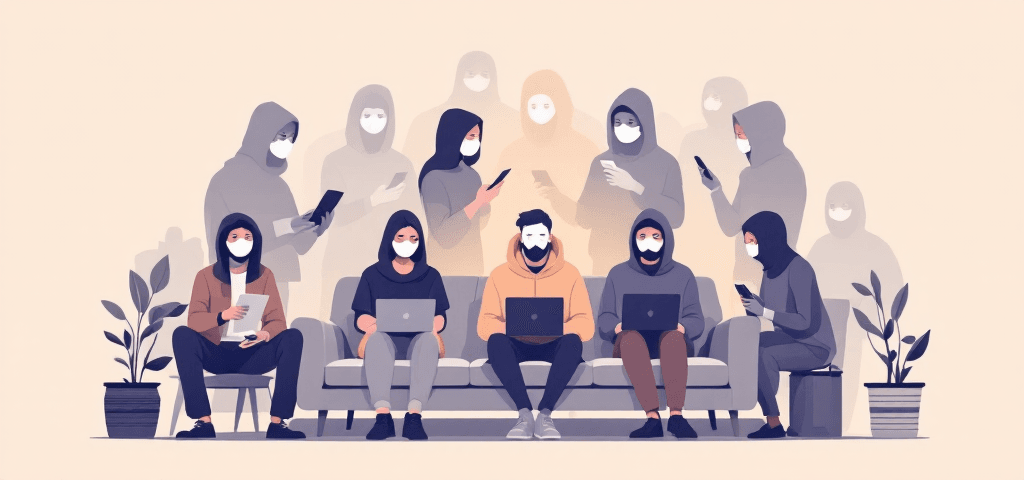
Fraud in AI interviews isn’t just about fake resumes. It’s a whole ecosystem of deception, with new tactics popping up every year. Here’s what’s actually happening out there:
- Deepfake Video Impersonation: Candidates use AI to create realistic video personas that mimic someone else’s face and expressions. These deepfakes can fool both humans and basic video interview authentication tools.
- Voice Cloning: Synthetic audio tools let fraudsters sound like someone else, or even mask their accent, during phone or video interviews. Some tools can generate real-time responses that match the candidate’s supposed identity.
- Proxy Interviews: A stand-in (sometimes a professional) takes the interview for the real candidate. This is especially common in technical roles, where the proxy can answer complex questions on the fly.
- AI-Assisted Responses: Candidates use tools like ChatGPT or FinalRound AI to generate or suggest answers in real time. Some even use hidden earpieces or chat overlays to get help during live interviews.
- Credential Fraud: Fake diplomas, certificates, or professional licenses are submitted to pass initial screening. Some are generated by AI to look authentic.
- Resume Fraud: Entire work histories, job titles, and skills are fabricated or heavily embellished using AI-powered resume builders.
Each of these fraud types comes with its own set of challenges. Some are easy to spot if you know what to look for. Others? Not so much. The most sophisticated fraudsters blend multiple tactics, making fake candidate detection a real headache.
Red Flags Recruiters Must Watch For
Spotting fraud isn’t about gut instinct anymore. You need a sharp eye and a toolkit of deepfake detection technology, proxy interview prevention strategies, and plain old skepticism. Here are the most actionable interview fraud red flags for each major type:
Fraud Type | Red Flags | Detection Methods | Prevention Strategies |
|---|---|---|---|
Deepfake Video Impersonation | Lip-sync issues, unnatural blinking, facial features that ‘glitch’ or lag, lighting inconsistencies, face not matching ID | Use deepfake detection technology, require live ID verification, ask for real-time gestures (e.g., turn head, touch nose) | Mandate multi-factor video authentication, randomize interview questions, compare video to official ID |
Voice Cloning | Robotic or monotone speech, odd pauses, inconsistent accent, audio lag, voice doesn’t match previous calls | Voice biometrics, ask for spontaneous responses, compare to earlier voice samples | Require live phone/video check-ins, use voiceprint authentication, ask for personal anecdotes |
Proxy Interviews | Candidate avoids showing face, camera off, background noise suggesting multiple people, answers too perfect, hesitates on personal questions | Request environment scan, ask for on-camera ID display, behavioral analysis | Schedule surprise follow-up calls, use behavioral interview questions, require live technical assessments |
AI-Assisted Responses | Overly polished or generic answers, delayed responses, candidate looks off-screen frequently, answers don’t match resume details | Monitor for off-screen activity, ask unpredictable follow-up questions, check for consistency | Use dynamic, conversational interview formats, limit time for responses, require clarification on past experience |
Credential Fraud | Inconsistent dates, unverifiable institutions, certificates with odd formatting, credentials that don’t match job requirements | Credential verification systems, direct contact with issuing institutions, cross-check with LinkedIn | Require original documents, use third-party verification, check for digital signatures |
Resume Fraud | Work history gaps, skills that don’t match experience, job titles that seem inflated, references that can’t be reached | Resume fraud detection tools, reference checks, skills assessments | Require detailed work samples, use structured interviews, verify employment history |
You’ll notice a pattern: the most effective fake candidate detection combines technology with human judgment. No tool is perfect. But when you layer deepfake detection technology, behavioral analysis, and a healthy dose of skepticism, you’re way less likely to get fooled.
One infamous example? The KnowBe4 incident made headlines when a North Korean hacker used deepfake video and synthetic identity fraud to land a remote job at a US company. The fraudster passed multiple rounds of AI-powered screening before being caught. That case wasn’t a fluke. It’s a warning shot for every recruiter relying on surface-level checks.
The Cost of Hiring a Fraudulent Candidate
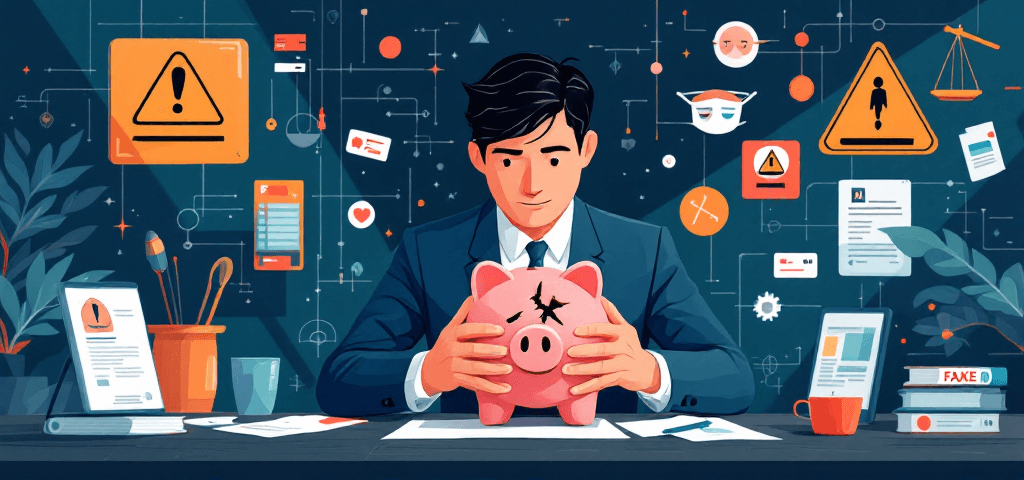
Let’s talk numbers. According to Employ, 23% of companies lost over $50,000 due to hiring fraud. That’s not just a line item. It’s a gut punch to your budget, your team, and your reputation. And the costs don’t stop at money.
- Wasted Recruitment Expenses: Every fraudulent hire means lost time, agency fees, and onboarding costs that never pay off.
- Training Costs: You invest in upskilling someone who never should’ve been there in the first place.
- Productivity Loss: Teams slow down, projects stall, and deadlines slip when a fake candidate can’t actually do the job.
- Security Risks: Some fraudsters are after more than a paycheck. They might be seeking access to sensitive data or intellectual property.
- Team Morale Impact: When a fraudster is exposed, trust takes a hit. Good employees start to wonder if leadership can spot real talent.
And if you’re in a regulated industry? The risks multiply. Synthetic identity fraud can trigger compliance nightmares, especially if you’re handling financial or healthcare data. One slip-up can mean fines, lawsuits, or even criminal liability.
It’s not all doom and gloom, though. Recruiters who invest in layered prevention—combining deepfake detection technology, proxy interview prevention, and resume fraud detection—are already seeing fewer bad hires. The trick is to stay one step ahead, keep your team trained, and never rely on a single tool or process.
Bottom line: Interview fraud isn’t just a tech problem. It’s a people problem, too. The best recruiters use every tool at their disposal, but they also trust their instincts and dig deeper when something feels off. That’s how you protect your company, your team, and your own reputation in a world where AI can fake almost anything.
Proven Strategies to Combat Fraud and Identity Spoofing
No single trick or tool can stop all fraud in AI interviews. If you want to keep your hiring process clean, you need a layered defense. That means using multiple checks at different stages, mixing smart technology with sharp human judgment, and always adapting as fraudsters get more creative. The best teams treat fraud prevention as a living process, not a one-time fix.
Multi-Stage Identity Verification
Think of identity verification in hiring as a relay race, not a single sprint. Each stage of the process needs its own set of checks. If you only verify at the start, you’re leaving the door wide open for fraudsters who know how to game the system. Here’s how a multi-stage approach works in practice:
- Pre-Interview: Ask candidates to upload government-issued ID and use liveness detection (like a quick selfie video) to confirm they’re real. Run background checks to spot red flags early. This is where biometric verification hiring tools can catch obvious fakes before they even get to the next step.
- During Interview: Watch for behavioral cues. Is the candidate’s video lagging or oddly synced? Do their answers sound too perfect, like they’re reading from a script? Use follow-up questions that require on-the-spot thinking. Some companies even scan the environment for signs of a proxy (like a hidden earpiece or someone whispering off-camera).
- Post-Interview: Don’t skip reference and credential verification systems. Call references directly, check for diploma authenticity, and look for inconsistencies in work history. AI-assisted candidate screening can flag suspicious patterns, but a quick phone call often reveals more than any algorithm.
- Onboarding: Even after the offer, keep your guard up. Monitor early performance, set up access controls, and watch for signs of synthetic identity fraud. If something feels off, act fast—don’t wait for a major breach.
This multi-stage approach isn’t just for big tech firms. Even small businesses can layer in simple checks at each step. The key is consistency. Fraudsters look for weak links, so don’t give them one.
Technology Solutions That Actually Work
AI-powered fraud is a moving target. But the right hiring fraud prevention tools can tip the odds in your favor. Here’s what’s working right now:
- Deepfake Detection: Tools like Deepware and Sensity AI scan for signs of manipulated video and audio. They look for weird eye blinks, unnatural lighting, or audio that doesn’t quite match the lips. No tool is perfect, but they catch a surprising number of fakes.
- Voice Biometrics: Platforms such as Nuance and ValidSoft analyze vocal patterns to confirm identity. If someone tries to use a voice changer or AI-generated audio, these systems usually spot the difference.
- Screen Monitoring & Browser Lockdown: For online assessments, tools like ProctorU and HireVue can lock down browsers, monitor for multiple screens, and flag suspicious activity. This makes it much harder for candidates to use real-time AI assistance or have someone else feed them answers.
- IP Address & Device Tracking: If a candidate’s location suddenly jumps from New York to Mumbai between interview rounds, that’s a red flag. Many video interview authentication platforms now log IP addresses and device fingerprints to spot these inconsistencies.
- AI-Assisted Candidate Screening: Modern systems use machine learning to flag patterns that humans might miss—like repeated use of the same resume template or identical answers across multiple candidates. But these tools work best when paired with human review.
It’s tempting to throw tech at the problem and call it a day. But every tool has blind spots. Deepfake detection can be fooled by high-quality fakes. Voice biometrics sometimes struggle with background noise or strong accents. That’s why the best teams use technology to augment their instincts, not replace them.
The Power of Dynamic, Conversational Interviews
Here’s where things get interesting. Most fraudsters rely on scripts, AI-generated answers, or even a real person feeding them lines off-camera. But what happens when the interview itself is unpredictable? That’s where dynamic, conversational interviews come in.
Instead of sticking to a rigid set of questions, these interviews adapt in real time. If a candidate gives a vague answer, the system (or interviewer) follows up with a curveball. If someone tries to use ChatGPT or another AI tool, they’ll struggle to keep up with the pace and specificity. It’s like playing chess against someone who changes the rules every few moves.
Platforms like SageScreen have taken this approach to the next level. Their AI-powered interviewers use time-sensitive, conversational questions that adapt based on each candidate’s responses. If you’re a genuine applicant, this feels natural—just a real conversation. But if you’re trying to cheat, it’s almost impossible to keep up. The system naturally exposes inconsistencies, making it one of the most effective ways to spot fraud without making honest candidates jump through endless hoops.
This isn’t just theory. Dynamic interviews are quickly becoming a best practice for companies serious about interview integrity. They’re tough on cheaters, but fair to everyone else.
Creating a Fraud-Resistant Hiring Process
Building a fraud-resistant process isn’t about buying the latest gadget or copying what your competitor does. It’s about creating a system that’s tough for fraudsters but still welcoming for real candidates. Here’s a step-by-step framework that works for companies of any size:
- 1. Establish Clear Policies: Spell out what counts as fraud, what’s allowed, and what isn’t. Make sure candidates know up front that you take interview integrity seriously.
- 2. Train Your Hiring Teams: Don’t assume everyone knows the red flags. Run regular training on spotting deepfakes, proxy interviews, and suspicious behavior. Share real examples (anonymized, of course).
- 3. Implement Verification Checkpoints: Layer in identity checks at multiple stages—before, during, and after the interview. Use a mix of technology and manual review.
- 4. Use the Right Technology: Pick tools that fit your needs and budget. Don’t just chase buzzwords. Focus on solutions that actually catch fraud, like video interview authentication, biometric verification, and credential verification systems.
- 5. Document Everything: Keep records of every check, every flag, and every decision. This protects you if a candidate challenges your process and helps you spot patterns over time.
- 6. Review and Adapt Regularly: Fraud tactics change fast. Set a schedule to review your process, update your tools, and learn from any incidents. What worked last year might not work next month.
A few best practices can make all the difference:
- Balance security with candidate experience. If your process is so strict that good people drop out, you’re losing the talent war.
- Communicate clearly. Let candidates know why you’re asking for extra verification. Most honest applicants appreciate the effort to keep things fair.
- Watch for false positives. No system is perfect. If someone gets flagged, give them a chance to explain before making a final call.
- Stay human. Technology is powerful, but it can’t replace gut instinct. If something feels off, trust your team to dig deeper.
Fraud and identity spoofing in AI interviews aren’t going away. But with a layered, adaptive approach, you can stay one step ahead. The best teams combine smart tools, sharp instincts, and a process that’s always evolving. That’s how you build a hiring process that’s both secure and fair—no matter what the next wave of fraudsters tries. For more insights on this topic, visit our blog.
The Future of Interview Integrity: What’s Next in 2025 and Beyond
Emerging Fraud Tactics to Watch
Interview fraud is evolving at a pace that honestly makes most recruiters’ heads spin. If you thought deepfakes were the endgame, think again. We’re already seeing early signs of AR/VR interview manipulation—where candidates use augmented or virtual reality overlays to mask their real identity or environment. Imagine someone appearing in a virtual office, with a perfectly simulated background and even a digital avatar that mimics their facial expressions. It’s not science fiction anymore. Some fraudsters are experimenting with these tools right now, especially in tech-forward hiring markets.
Deepfakes are also getting a serious upgrade. The latest AI-powered recruitment fraud tools can generate real-time video and audio that are almost indistinguishable from the real thing. Lip-sync issues and awkward pauses? Those are getting ironed out. And then there’s the rise of fraud-as-a-service marketplaces. These are organized groups selling everything from fake credentials to live proxy interviewers. You can literally hire someone to impersonate you in a video interview, complete with AI-generated documentation and references. It’s wild, and it’s only getting more sophisticated.
Some AI tools are now being built specifically to evade detection by interview integrity solutions. They can analyze real-time questions, generate plausible answers, and even mimic behavioral cues. For recruiters, this means the old red flags aren’t enough. The next wave of hiring process security will need to combine smarter technology with sharper human intuition.
Regulatory Changes and Compliance Requirements
Regulators are finally catching up to the risks of AI-powered hiring. The EU AI Act is the first major law to set strict rules for AI in recruitment, including transparency and risk management requirements. In the US, NYC Local Law 144 requires companies to audit automated employment decision tools for bias and notify candidates when AI is used. Colorado’s SB24-205 is another example, mandating risk assessments and candidate disclosures for AI-driven hiring systems.
What does this mean for recruiters and HR teams? You can’t just plug in a new candidate authentication method and call it a day. Every step—ID checks, video interview authentication, even resume screening—needs to be documented, explainable, and fair. If your process accidentally screens out candidates from protected groups, you could face legal trouble. And with applicant identity theft and fraudulent job applications on the rise, compliance is about more than just ticking boxes. It’s about building trust with candidates and regulators alike.
If you’re hiring globally, expect more countries to roll out their own rules. Staying compliant is going to be a moving target, so it’s smart to keep an eye on updates from legal and industry sources.
Balancing Fraud Prevention with Privacy and Fairness
Here’s where things get tricky. The more you ramp up hiring fraud prevention tools, the more you risk crossing into privacy or discrimination territory. Biometric verification hiring, for example, can be effective for catching imposters, but it also raises questions about data storage, consent, and potential bias against certain groups. Some candidates might feel uncomfortable with facial recognition or voice biometrics, especially if they’re not told exactly how their data will be used.
False positives are another real concern. If your AI-powered recruitment fraud system flags a legitimate candidate as suspicious, you could lose out on great talent—or worse, face a discrimination claim. The best interview integrity solutions are transparent about their methods and give candidates a way to appeal or clarify if they’re flagged. It’s not just about catching the bad actors. It’s about protecting everyone in the process.
Where’s the Line? The Debate Over AI Tools in Interviews
This is the question that keeps coming up in hiring circles: If a candidate uses AI to help answer questions, is that cheating? Or is it just smart use of available tools? Some hiring managers argue that if someone can do the job with AI assistance, maybe that’s fine—after all, most jobs now involve some level of tech support. Others say interviews should test a person’s unassisted skills, not their ability to prompt ChatGPT or use a script.
There’s no universal answer yet. Some companies are starting to clarify their stance in job postings or interview instructions. Others are experimenting with real-time, dynamic questions that make it harder to rely on AI-generated responses. The key is being clear with candidates about what’s allowed and why. If you expect unassisted answers, say so. If you’re open to AI-assisted work, set boundaries. Either way, transparency is critical.
Building a Culture of Hiring Integrity
No technology can replace a culture of honesty and accountability. If you want to protect your hiring process security, start by making integrity a core value. That means being upfront with candidates about your verification steps, training your team to spot red flags, and setting clear consequences for fraud. It also means creating an environment where honest candidates feel respected—not just scrutinized.
Companies like SageScreen are showing that it’s possible to combine advanced interview integrity solutions with a people-first approach. But even the best tech won’t work if your team isn’t on board. Regular training, open communication, and a willingness to adapt are what set fraud-resistant organizations apart.
- Be transparent with candidates about verification and authentication methods
- Train hiring teams to recognize new fraud tactics and avoid bias
- Establish clear, fair consequences for fraudulent job applications
- Encourage honest feedback from candidates about their experience
- Review and update your hiring process security measures regularly
Actionable Next Steps for Recruiters and Candidates
For Recruiters | For Candidates |
|---|---|
Audit your current hiring process for vulnerabilities and gaps in candidate authentication methods | Understand that verification steps protect you as well as the company |
Implement at least basic multi-step verification (ID checks, reference calls, dynamic interview questions) | Be ready for multi-step authentication and keep your documents up to date |
Stay informed about new AI-powered recruitment fraud tactics and regulatory changes | Never compromise your integrity for a job—honesty is still your best asset |
Communicate clearly with candidates about what to expect and why | Ask questions if you’re unsure about a verification step or privacy policy |
Fraud in AI interviews is a real threat, but it’s not unbeatable. With the right mix of smart technology, human judgment, and a culture that values integrity, companies can stay ahead of even the most creative fraudsters. And for candidates, knowing that these measures exist means a fairer shot at jobs where skills—not shortcuts—win out.
Now’s the time to take a hard look at your hiring security. Whether you’re a recruiter or a job seeker, evaluate your current practices, stay curious about new threats, and commit to honest, transparent hiring. The future of interview integrity depends on all of us. Explore SageScreen’s features to secure your hiring process and ensure fair hiring.