Picture this: You spend hours perfecting your resume, tailoring every line to match the job description. You hit submit, feeling hopeful. Then, within seconds, an automated rejection email lands in your inbox. No explanation. No feedback. Just a cold, impersonal “no.”
If you’ve ever been on the receiving end of that kind of automated decision, you know how frustrating it feels. It stings. You start to wonder if anyone even looked at your application. And if you’re the employer, you might think, “Well, at least our hiring automation is efficient.” But is it really working if it leaves candidates feeling ignored and skeptical?
This isn’t just a one-off annoyance. It’s a symptom of a much bigger trust crisis in AI-powered hiring. Only 8.5% of people always trust AI systems to make fair decisions. On the flip side, 21% say they never trust AI at all. When it comes to candidate screening and automated decision-making, that trust gap gets even wider. Most people just don’t believe these systems are transparent or fair.
And the business impact? It’s massive. Nearly 90% of enterprise AI initiatives fail to reach actual business users. In hiring, that means companies are missing out on top talent, wasting money on tech that doesn’t deliver, and risking their reputation. Candidates feel dehumanized. Employers lose out on diverse, qualified applicants who might have been a perfect fit.
Why no one trusts AI in hiring isn’t just about the technology itself. It’s about the people on both sides of the process. Candidates want to know they’re being evaluated fairly. Employers want to build teams they can trust. But when AI screening tools operate like black boxes, both sides lose confidence.
AI transparency isn’t a nice-to-have anymore. It’s the foundation of trustworthy AI in hiring. If people can’t see how decisions are made, or if they feel like a faceless algorithm is calling the shots, skepticism is the only logical response. Automated decision-making without clear explanations just doesn’t cut it.
This article digs into the real reasons trust is broken in AI hiring systems. We’ll look at the emotional and practical fallout, and then get specific about what companies are actually doing to fix it. You’ll see how leading organizations are building fair, transparent, and human-centered candidate screening processes that actually work for everyone involved.
If you’re skeptical about AI in hiring, you’re not alone. And you’re not wrong to feel that way. But there are real solutions out there. We’ll break down the problems and show you exactly how to build hiring automation that people can actually trust.
The 3 Core Reasons People Don’t Trust AI in Hiring
If you feel uneasy about AI making hiring decisions, you’re not alone. That skepticism isn’t just gut instinct. It’s rooted in real problems that have left both candidates and hiring managers frustrated, confused, and sometimes even angry. The truth is, most people don’t trust AI in hiring because they’ve seen or heard about the ways it can go wrong. And those concerns aren’t just technical—they’re deeply personal. When a machine decides your future and you have no idea why, it’s hard not to assume the worst. Let’s break down the three biggest reasons this trust gap exists.
The Black Box Problem: When Decisions Have No Explanation
Imagine applying for a job, waiting anxiously, and then getting an instant rejection email. No feedback. No explanation. Just a cold, automated “no.” That’s the black box problem in action. Most traditional AI screening systems operate like faceless gatekeepers. They process resumes and applications using algorithms that are invisible to everyone except the engineers who built them. For candidates, it feels like being judged by a robot that won’t even tell you what you did wrong.
Here’s where it gets even trickier: these systems often rely on rigid rules that miss the bigger picture. For example, keyword matching might filter out a candidate who has all the right skills but used different terminology. Or maybe the AI is set to require a certain number of years of experience, so someone with deep expertise but a non-traditional background never even gets a look. Education filters can be just as unforgiving, excluding people who didn’t follow the standard path but could actually excel in the role.
When people can’t see how decisions are made, they start to fill in the blanks themselves. And let’s be honest, most of us assume the worst. Is the system broken? Is it biased? Did it even read my application? This lack of explainable AI is a huge reason why trust in automated decision-making is so low. If you can’t understand or challenge a decision, it doesn’t feel fair—no matter how advanced the technology claims to be.
Algorithmic Bias: The Fear of Automated Discrimination
Now for the elephant in the room: AI can be just as biased as the humans who build it—sometimes even more so. This isn’t just a theoretical risk. It’s happened in the real world, and the consequences have been ugly. Take Amazon’s now-infamous recruiting tool. The company scrapped it after discovering the system penalized resumes that included the word “women’s,” as in “women’s chess club captain.” Why? Because the AI was trained on past hiring data that reflected historical discrimination. Instead of fixing bias, it learned to repeat it.
And that’s just one example. Some screening technology has been shown to favor certain names, zip codes, or even the way someone phrases their experience. If the training data is skewed, the results will be too. According to research cited by the Brookings Institution, algorithmic bias is one of the top reasons people don’t trust AI—especially in high-stakes areas like hiring. The fear isn’t just that AI will make mistakes. It’s that it will quietly amplify the same old hiring bias, but with a veneer of objectivity that makes it even harder to spot and challenge.
This is where AI accountability and AI ethics come into play. Companies are under increasing pressure to prove their systems are fair, to implement bias mitigation strategies, and to comply with emerging regulations around AI compliance. But for most candidates, all they see is the outcome. If the system seems to favor one group over another, trust evaporates fast. And once people have a bad experience with AI, that mistrust sticks around for a long time.
Data Privacy: Who Sees Your Information and How It’s Used
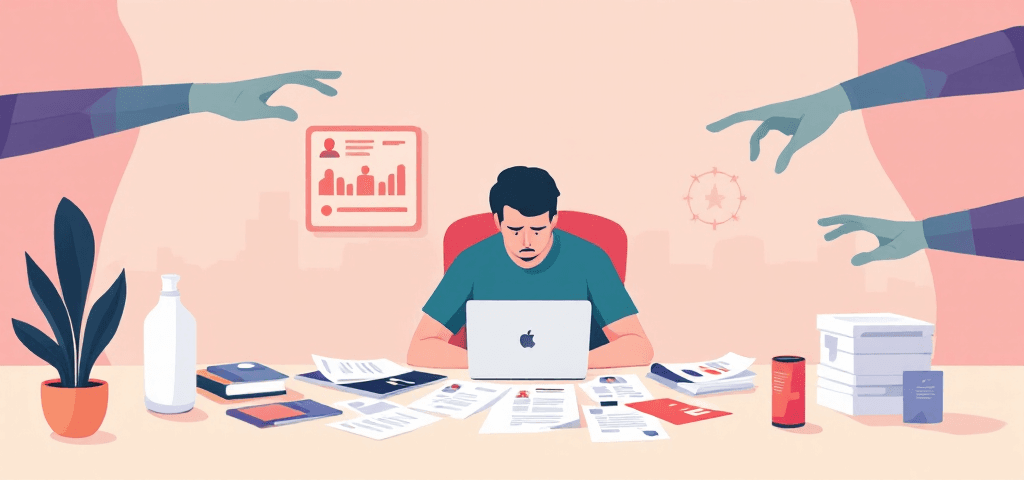
Even if an AI system could be perfectly fair and transparent, there’s still the question of privacy. Candidates are being asked to hand over more personal data than ever—resumes, video interviews, even answers to personality assessments. But what happens to all that information? Who gets to see it? How long is it stored? And is it being used for more than just the job you applied for?
These aren’t paranoid questions. They’re legitimate concerns that have real consequences for trust. Many people worry that AI systems are collecting more data than necessary, or that their responses could be used to build profiles that follow them from one job application to the next. The lack of clear, accessible privacy policies only makes things worse. If you don’t know what a company is doing with your data, it’s natural to assume the worst.
- Will my video interview be stored or shared without my consent?
- Are my answers being analyzed for things I didn’t agree to?
- Could my personal information be sold or used for marketing?
- How long will my data be kept after the hiring process ends?
- Is there any way to delete or correct my information if needed?
Companies like SageScreen are starting to address these fears by making their data handling practices more transparent and giving candidates clear privacy options. It’s a step in the right direction, but the industry as a whole still has a long way to go. Until candidates feel confident that their information is safe and used responsibly, trust in AI-powered hiring will stay low.
So, why do people not trust AI? It’s not just about the technology itself. It’s about the lack of transparency, the risk of hidden bias, and the fear that personal data could be misused. These are serious problems with real-world consequences. And if companies want to build trustworthy AI, they’re going to need serious solutions—ones that go beyond buzzwords and actually address what people care about most.
What the Data Reveals: Trust Gaps Across Different Hiring Scenarios
Trust in AI isn’t a one-size-fits-all thing, especially when it comes to hiring. The numbers show that people react very differently to recruitment AI depending on where it shows up in the process. Some folks are okay with a bot sorting resumes, but the idea of an algorithm making the final call on who gets hired? That’s where most people draw the line. And honestly, it makes sense. The higher the stakes, the more we want a real person involved.
Initial Screening vs. Final Decisions: Where Trust Breaks Down
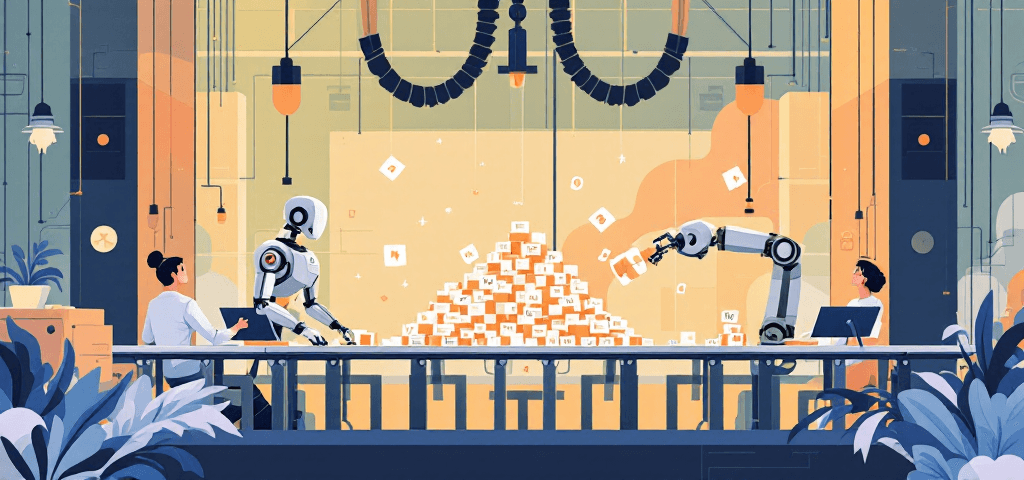
Research from Brookings and other sources points to a clear pattern: trust in automated decision-making drops as the impact of the decision rises. In hiring, that means people are more comfortable with AI-powered candidate screening at the very start. They see it as a way to cut through the noise and surface qualified applicants. But when it comes to video interviews or, worse, letting an algorithm make the final hiring decision, trust plummets. People want human oversight when it matters most.
Hiring Stage
Typical Trust Level
Common Concerns
You can see the pattern. The more personal and high-stakes the decision, the less people want to leave it to a machine. Automated decision-making feels efficient for sorting resumes, but when it comes to choosing who gets the job, most candidates and hiring managers want a human in the loop. That’s not just a gut feeling. It’s a reflection of how much trust we’re willing to hand over to technology, especially when our livelihoods are on the line.
Who Trusts AI Less (And Why It Matters)
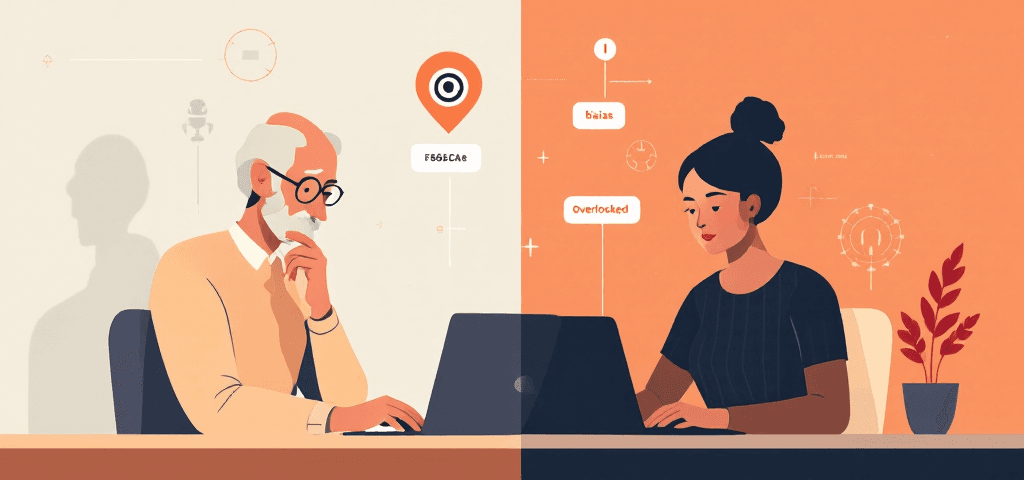
Not everyone views recruitment AI the same way. Demographic data shows some groups are a lot more skeptical than others. Women and older workers are consistently less likely to trust AI in hiring. Why? For women, it’s often about exposure to bias. They’ve seen or heard about systems that penalize certain keywords or backgrounds, and they know the risks aren’t just theoretical. For older workers, it’s about disruption. Many have lived through waves of hiring automation that left them feeling overlooked or misunderstood.
Here’s the kicker: this trust gap isn’t just a personal issue. It’s a diversity problem. If women and older candidates avoid companies that use AI screening, those companies miss out on a huge pool of talent. And it’s not just about fairness. It’s about business results. Diverse teams perform better, but only if you can get them in the door.
A few numbers stand out. According to Brookings, only 8.5% of people always trust AI in high-stakes contexts like hiring, while 21% never trust it at all. The trust gap is even wider for women and people over 50. That’s a lot of potential candidates who might never even apply if they know a bot is making the call.
The Cost of Mistrust: What Companies Are Losing
So what happens when people don’t trust your hiring automation? The costs add up fast. Candidates drop out of the process. Top talent looks elsewhere. Your employer brand takes a hit. And if your recruitment AI can’t explain its decisions, you’re opening the door to legal headaches. The biggest kicker? 90% of enterprise AI projects fail to reach real business users. In hiring, that means wasted investment and missed opportunities.
- Qualified candidates abandon applications when they see automated decision-making
- Top performers avoid companies with a reputation for unfair or opaque AI screening
- Legal risks increase if you can’t explain or validate hiring decisions
- Employer brand suffers as word spreads about negative candidate experience
- Technology investments go to waste when adoption fails
If you want the hard numbers, check out this Gartner research on AI project failure rates. It’s not just a tech problem. It’s a trust problem. And it’s costing companies real money and real talent.
Understanding these trust gaps is the first step. If you know where and why people lose faith in recruitment AI, you can start to fix it. The next section digs into proven strategies for building trust, so you can actually get value from your candidate screening technology instead of watching it gather dust.
5 Proven Strategies to Build Trust in AI Screening
If you’ve made it this far, you already know the trust gap in AI hiring isn’t just a tech problem. It’s a people problem. The good news? There are real, practical ways to close that gap. This section is all about what actually works. These aren’t vague promises or buzzwords. They’re strategies you can put into practice, whether you’re running a Fortune 500 talent team or building your first AI-powered screening process. Each one tackles a core reason people don’t trust AI in hiring, and together, they form the backbone of a system people can actually believe in.
Strategy 1: Make AI Decisions Explainable and Transparent
Nobody trusts a black box. If a candidate gets rejected and the only explanation is a generic email, you’ve lost them. Same goes for hiring managers who can’t see why the system picked one person over another. Explainable AI is the antidote. It means showing your work, not just spitting out a score or a yes/no. People want to know: What mattered most? Which skills or answers tipped the scale? Where did they fall short, and why?
Here’s what explainability looks like in practice:
- Highlighting which qualifications or experiences matched the job requirements
- Showing which interview questions were weighted most heavily in the decision
- Providing plain-language scorecards that break down the evaluation criteria
- Giving both candidates and hiring managers access to full interview transcripts or summaries
SageScreen’s Decision Scorecards are a good example of this in action. They don’t just spit out a recommendation. They show exactly how each candidate was assessed, which criteria mattered, and provide access to the full transcript. That’s the kind of AI transparency that builds trust. If you’re using any screening technology, ask yourself: Would a candidate or manager understand the decision if they saw the data? If not, you’ve got work to do.
The Forbes article nails this point: people don’t need a PhD in machine learning to trust AI, but they do need clear, plain-language explanations. If your system can’t explain itself, it’s not ready for high-stakes hiring.
Strategy 2: Implement Human Oversight at Critical Points
Even the best AI can’t catch every nuance. That’s why human oversight is non-negotiable, especially when the stakes are high. People trust systems more when they know a real person is involved at key moments. The TheoSym research backs this up: human-AI collaboration is more trusted than full automation, especially in hiring.
So where should humans step in? Here are the touchpoints that matter most:
- Final hiring decisions (AI can recommend, but a human should decide)
- Reviewing edge cases or borderline candidates
- Handling candidate appeals or requests for feedback
- Spot-checking for unusual patterns or potential errors
- Auditing flagged cases for possible bias or compliance issues
This isn’t about slowing things down with endless manual reviews. It’s about putting guardrails in place. If your AI system is making all the calls with zero human input, you’re asking for trouble. And you’re probably missing out on great candidates who don’t fit the algorithm’s mold. Human oversight is a core part of AI accountability and a must for any trustworthy AI process.
Strategy 3: Design for Bias Detection and Mitigation
Bias isn’t just a technical glitch. It’s a real risk that can ruin lives and reputations. If your AI is trained on biased data, it’ll make biased decisions. That’s why bias mitigation has to be baked in from day one. This isn’t a one-and-done checklist. It’s an ongoing process that needs real commitment.
Here’s how companies are tackling bias in screening technology:
- Using diverse, representative training data that reflects the real world
- Running regular bias audits to check for unfair patterns in outcomes
- Evaluating how the AI performs across different demographic groups (gender, age, ethnicity, etc.)
- Designing interview questions that are open-ended and avoid leading or loaded language
- Bringing in independent experts to review and challenge the system’s fairness
Amazon’s failed recruiting tool is a cautionary tale here. It penalized resumes with the word “women’s” because it was trained on past hiring data that reflected old biases. That’s why regular, independent checks are so important. If you’re not actively looking for bias, you’re probably missing it. And if you’re not fixing it, you’re risking legal trouble and a damaged brand.
SageScreen, for example, includes bias mitigation features as part of its platform. That means ongoing checks and tools to ensure fair evaluations, not just a one-time audit. If your system can’t show how it detects and addresses bias, it’s not ready for prime time.
Strategy 4: Give Candidates Control and Visibility
People don’t trust what they can’t see or influence. That’s why giving candidates more control and visibility is a game-changer for trustworthy AI. The TheoSym article found that user control is one of the biggest drivers of trust. In hiring, that means treating candidates like partners, not data points.
Here’s what that looks like in a real hiring process:
- Letting candidates review and edit their responses before submission
- Providing clear timelines for each stage of the process
- Offering alternative assessment methods for those who need accommodations
- Explaining exactly how their data will be used, stored, and protected
- Giving candidates the option to request feedback or appeal decisions
This isn’t just about being nice. It’s about AI compliance and reducing legal risk. Regulations like the EU’s GDPR and the New York City Automated Employment Decision Tools law are making candidate rights a legal requirement, not just a best practice. If your process is a black box, you’re not just losing trust. You could be breaking the law.
The best screening technology makes it easy for candidates to understand what’s happening and why. If you’re not sure where to start, ask your last ten candidates what confused or frustrated them. Their answers will tell you exactly where your process needs more transparency and control.
Strategy 5: Validate and Audit Continuously
Building trust isn’t a one-time project. It’s a habit. That’s why continuous validation and auditing are so important. AI models drift over time. Regulations change. New types of bias can creep in. If you’re not checking your system regularly, you’re flying blind.
Here’s what ongoing validation looks like in a hiring context:
- Running regular tests to make sure the AI is still making fair, accurate decisions
- Keeping detailed AI audit trails that show how every decision was made
- Reviewing compliance with laws like the EEOC guidelines and local AI regulations
- Bringing in third-party auditors to review your process and flag issues
- Updating your models and processes as new risks or requirements emerge
Audit trails aren’t just for show. They’re your best defense if you ever face a legal challenge or a candidate questions a decision. They also help you spot problems before they become scandals. For more on compliance, check out the EEOC’s guidance on AI in employment selection and the NYC Automated Employment Decision Tools law.
If you’re not validating and auditing, you’re not just risking trust. You’re risking lawsuits, fines, and a reputation hit you might never recover from. Make this a regular part of your process, not an afterthought.
When you put these five strategies together, you get more than just a checklist. You get a system that’s actually worthy of trust. It’s not about promising perfection. It’s about showing your work, inviting scrutiny, and proving—over and over—that your AI is fair, transparent, and accountable. That’s what separates the companies people want to work for from the ones they avoid.
Building Trust Is an Ongoing Process, Not a One-Time Fix
Trust in AI hiring systems doesn’t just show up because a company says the right things. It takes time, transparency, and a real commitment to fairness. The numbers don’t lie: only 8.5% of people always trust AI in hiring, and that trust gap is even wider when the stakes are personal. Most folks have good reasons for their skepticism. Black box decisions, algorithmic bias, and privacy fears aren’t just buzzwords. They’re real problems that have left candidates and hiring managers feeling burned.
But here’s the thing: solutions actually exist. Companies can choose to keep running with opaque, automated systems that nobody really trusts, or they can invest in AI transparency, explainable processes, and human oversight. The difference is huge. When people understand how decisions are made, and they see that fairness and algorithmic fairness are priorities, trust starts to build. It’s not magic. It’s just the result of doing the work, day after day.
There’s a reason 90% of enterprise AI projects fail to reach real users. It’s not because the tech doesn’t work. It’s because people won’t use systems they don’t understand or trust. If candidates feel like they’re being judged by a faceless algorithm, or hiring managers can’t explain why someone was rejected, the whole process falls apart. That’s not just a technical failure. It’s a trust failure.
Companies that get this right are already seeing the benefits. As AI becomes more common in hiring automation, the organizations that prioritize trustworthy AI and a positive candidate experience are the ones attracting top talent. People want to work for employers who use technology to support human decision-making, not replace it. And honestly, who can blame them?
If you’re responsible for hiring, now’s the time to take a hard look at your screening process. Ask yourself:
- Are your AI-driven decisions actually explainable to candidates and hiring managers?
- Is there meaningful human oversight at critical points?
- Do you regularly test for bias and update your models for algorithmic fairness?
- Can candidates understand how they’re being evaluated and what data is being used?
If the answer to any of those is “not really,” you’re not alone. But that’s also your opportunity. Building trustworthy AI isn’t a one-and-done project. It’s a continuous process of listening, improving, and proving—over and over—that your system is fair, transparent, and focused on a better candidate experience.
The challenges are real, but so is the upside. Companies that commit to transparency, fairness, and ongoing improvement will stand out. They’ll earn trust the only way it actually works: through consistent action, not empty promises. That’s how you build a hiring process people can believe in.