The hiring world is at a crossroads. Traditional interviews are getting called out for bias. Pure AI screening feels cold and potentially discriminatory. So what’s the answer?
Spoiler alert: it’s not about picking sides. The future of fair hiring isn’t about choosing between old school, AI, or something else entirely. It’s about getting smart with a hybrid approach that actually works.
The Traditional Interview Problem
Let’s be honest: traditional interviews have issues. We’ve all been there: the “culture fit” conversations that somehow always favor people who remind us of ourselves. The gut-feeling decisions. The unconscious bias that creeps in when someone’s name, accent, or background doesn’t match expectations.
Research shows that four times more employers now prioritize tapping into diverse talent pools compared to just two years ago. That’s a massive shift, and it’s happening because the old way simply wasn’t delivering fair results.
But here’s the thing: completely throwing out traditional methods isn’t the answer either. Face-to-face conversations, career fairs, and direct engagement still matter. They just need to be part of a better system.
Pure AI Screening: The Other Extreme
On the flip side, you’ve got pure AI screening. It sounds appealing: remove human bias, process candidates at scale, make decisions based on data alone. Clean. Efficient. Fair.
Except it’s not that simple.
AI systems can perpetuate existing biases if they’re trained on biased data. They can miss context, nuance, and the human elements that actually matter for job performance. Plus, candidates often feel like they’re being processed by a machine rather than evaluated as people.
The reality? Pure AI screening without human oversight can create new problems while trying to solve old ones.
The Hybrid Approach: Where Fairness Actually Happens
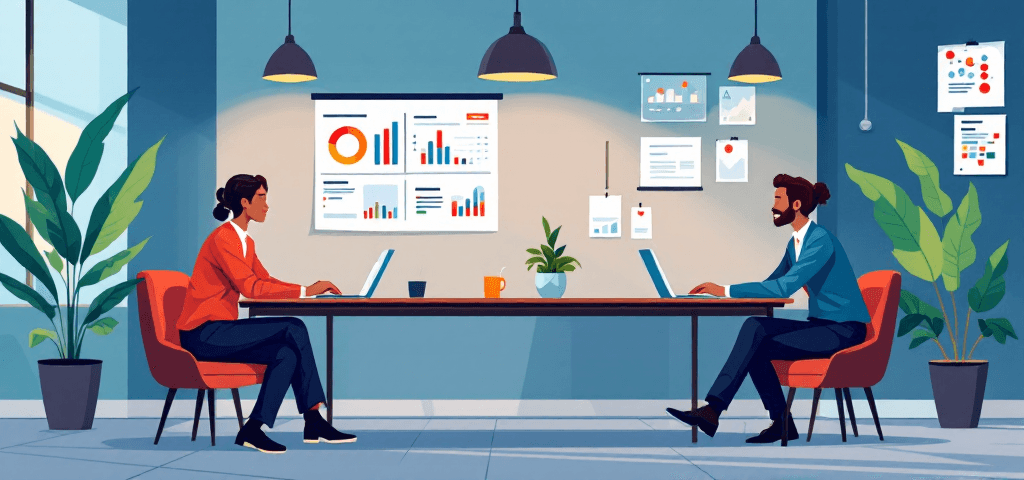
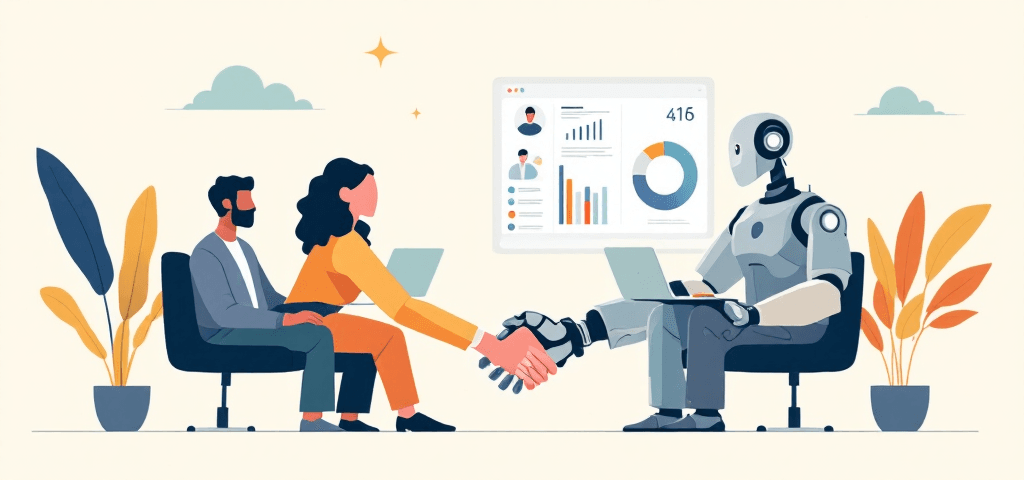
The emerging consensus isn’t about choosing one method over another. It’s about combining the best of both worlds and adding elements neither traditional interviews nor pure AI can deliver alone.
Here’s what the hybrid approach looks like in practice:
Systematic Transparency
Companies are getting serious about being upfront with candidates. Which roles might be affected by AI? What skills matter most in the future? What does the actual career path look like? This isn’t about making promises: it’s about honest conversations that help both parties make better decisions.
Structured Human Judgment
Traditional interviews aren’t going away, but they’re getting structured. Standard questions. Clear evaluation criteria. Multiple perspectives. The human element stays, but the randomness gets reduced.
Technology as a Tool, Not a Replacement
AI handles the heavy lifting of screening: parsing resumes, scheduling interviews, and conducting initial assessments. But humans make the final calls. It’s about using technology to support better decision-making, not to replace human judgment entirely.
Systemic Reform: Beyond Individual Decisions
Here’s where it gets interesting. The future of fair hiring isn’t just about better individual hiring decisions. It’s about addressing systemic barriers that keep qualified people out of the pipeline entirely.
The Fair Chance to Advance initiative is a perfect example. Instead of leaving it to individual hiring managers to decide whether someone with a criminal record gets a fair shot, organizations are building formal processes that systematically remove those barriers.
This matters because bias reduction isn’t just about making better individual decisions. It’s about creating systems that expand opportunity rather than restrict it.
AI Skills: The New Premium
There’s another factor at play here. Workers with AI capabilities now earn a 56% wage premium on average. That’s massive. But instead of creating a new divide between the AI-haves and have-nots, innovative organizations are focusing on creating equitable pathways for everyone to develop these skills.
This is where the hybrid approach really shines. Traditional upskilling methods combined with AI-powered learning platforms are delivered through human-centered training programs. It’s not just about using AI to hire people: it’s about helping people succeed in an AI-enhanced workplace.
What This Looks Like in Practice
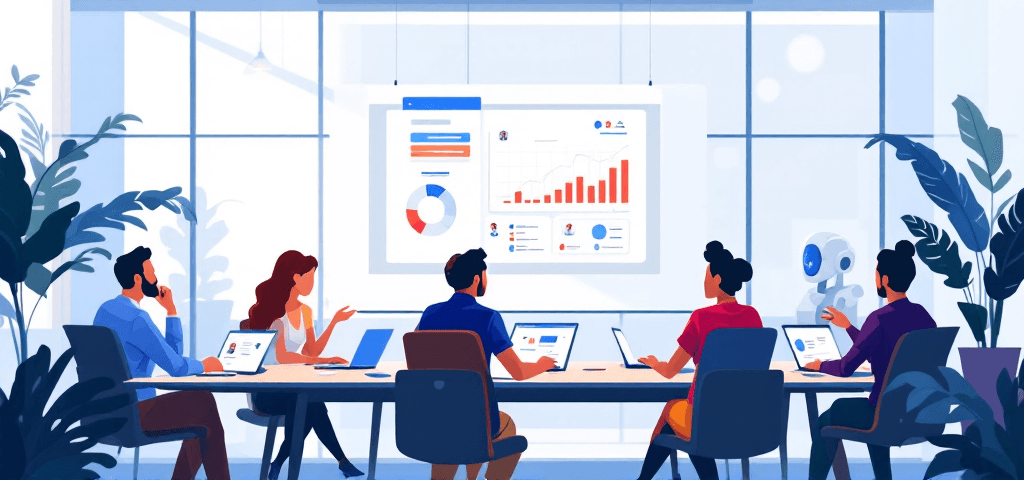
So what does fair hiring actually look like in late 2025? Here’s what the leading organizations are doing:
Multi-Stage Process: Initial AI screening for basic qualifications, followed by structured human evaluation, with final decisions made by diverse panels.
Skills-Based Assessment: Focus on what people can actually do, not just where they went to school or worked before.
Blind Review Stages: Remove identifying information during initial review phases, then add context back in for final decisions.
Continuous Monitoring: Track outcomes by demographic groups and adjust processes based on actual results, not intentions.
Companies like SageScreen are leading this space by offering platforms that combine AI-powered screening with human oversight, creating a more efficient and fair process than either approach could deliver alone.
The Bottom Line for Recruiters
If you’re in talent acquisition, here’s what this means for your day-to-day:
Don’t choose between traditional and AI methods. Use both strategically. Let AI handle the repetitive, high-volume tasks. Use human judgment for complex decisions and relationship building.
Focus on deliberately expanding your talent pools. The organizations that are winning aren’t just trying to reduce bias in their existing process: they’re actively seeking out qualified candidates they would have missed before.
Get comfortable with transparency. Candidates want to know what they’re signing up for, including how technology will affect their role over time.
Looking Ahead
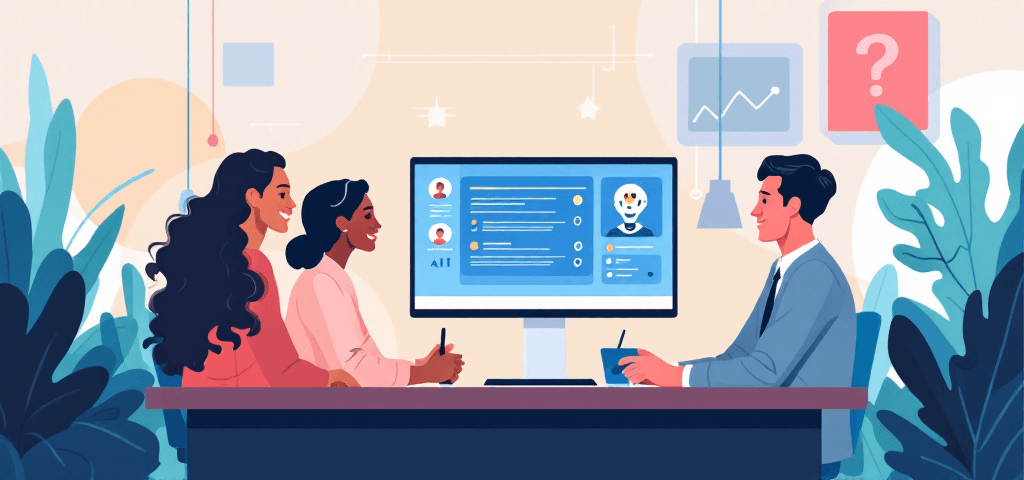
The future of fair hiring isn’t about picking the right technology or going back to old ways. It’s about building a fair hiring system that works for everyone. It’s about creating systems that combine the efficiency of AI with the wisdom of human judgment, wrapped in processes designed to expand opportunity rather than gatekeep it.
The organizations that get this right won’t just have better hiring outcomes: they’ll have access to talent pools that their competitors are still missing. And in a tight labor market, that’s a competitive advantage worth having.
The question isn’t whether to use old-school methods, AI, or a hybrid. The question is how quickly you can build a system that uses all three to create genuinely fair outcomes.
Because at the end of the day, fair hiring isn’t just the right thing to do; it’s the smart thing to do.